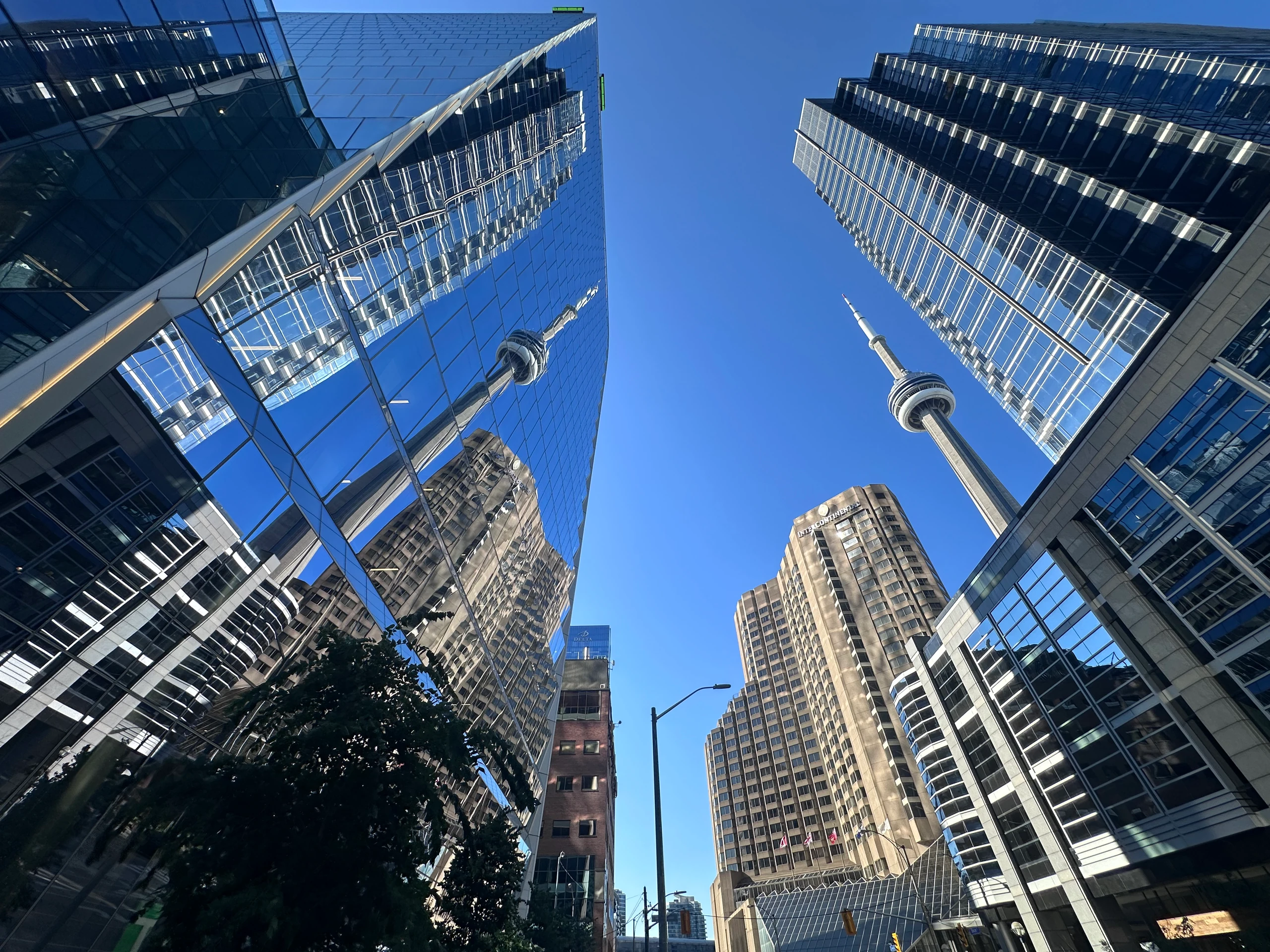
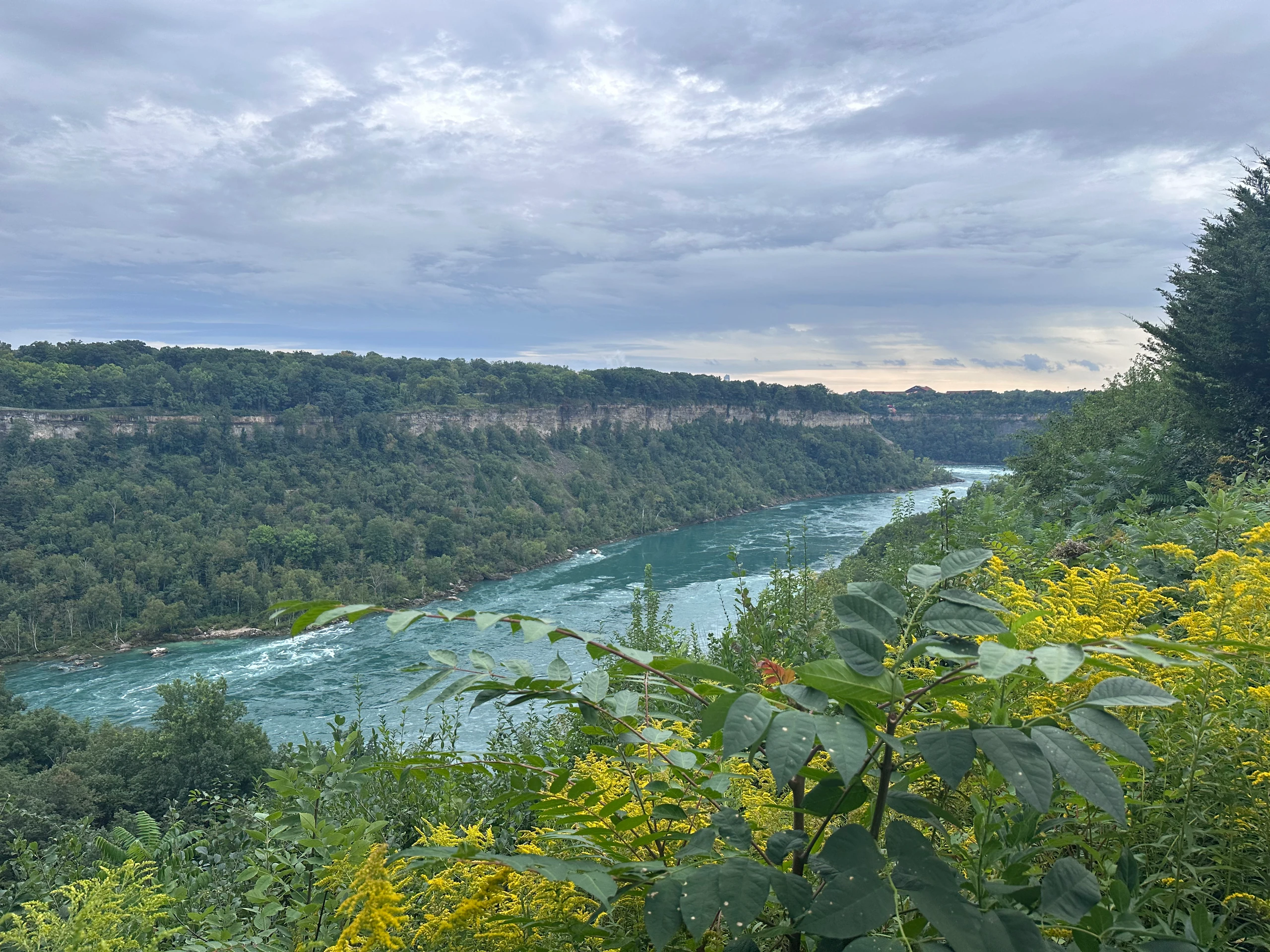
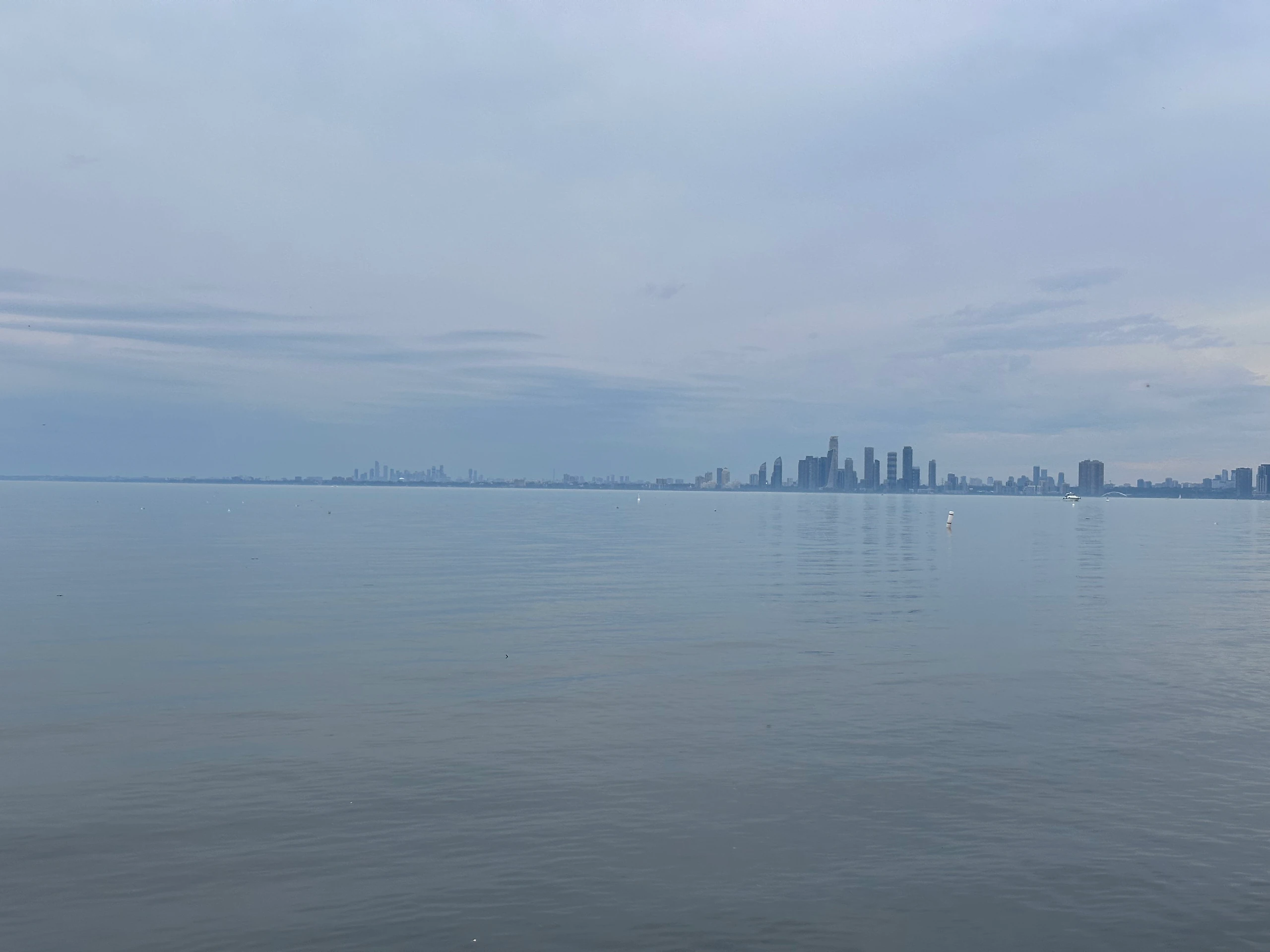
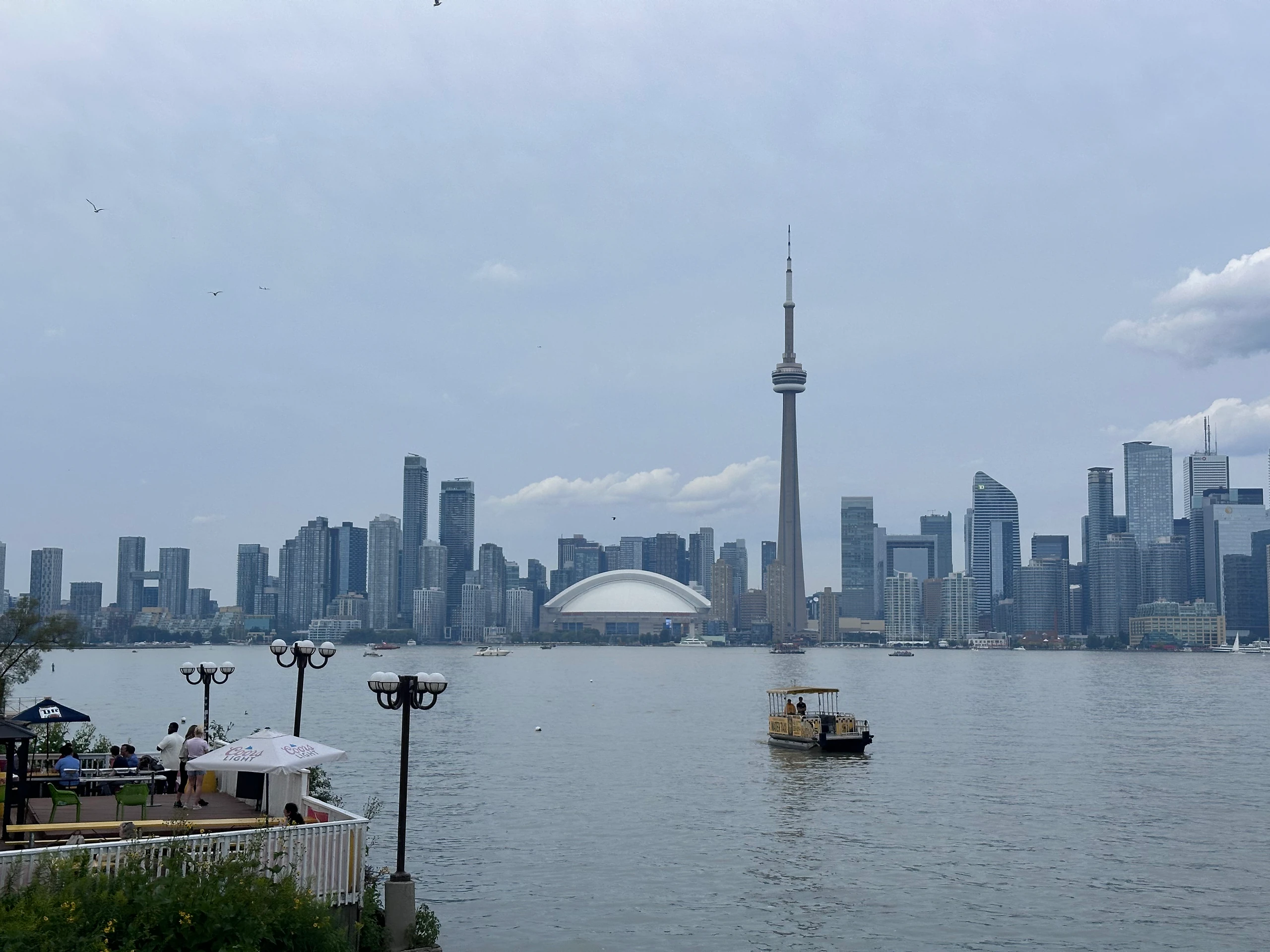
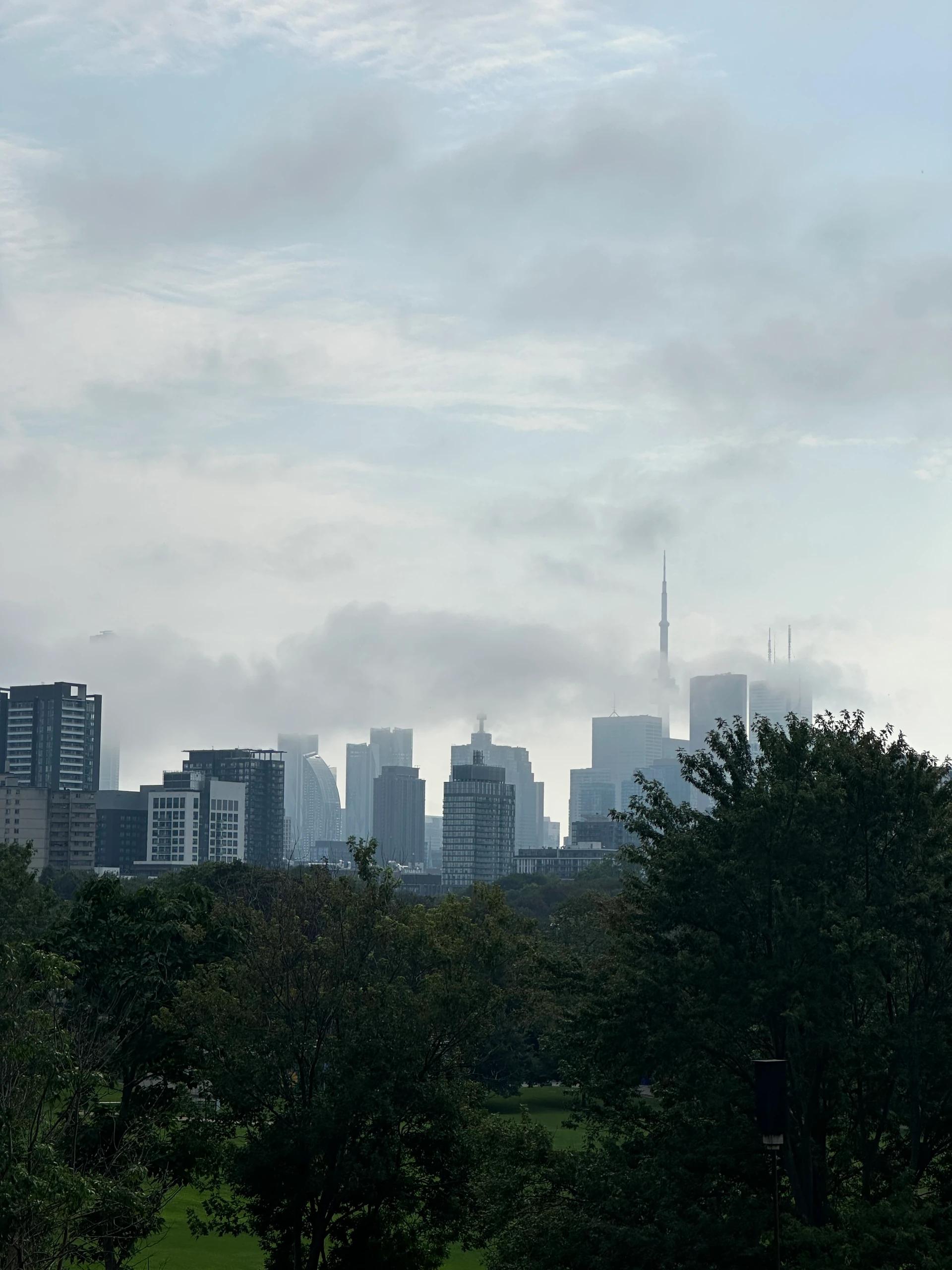
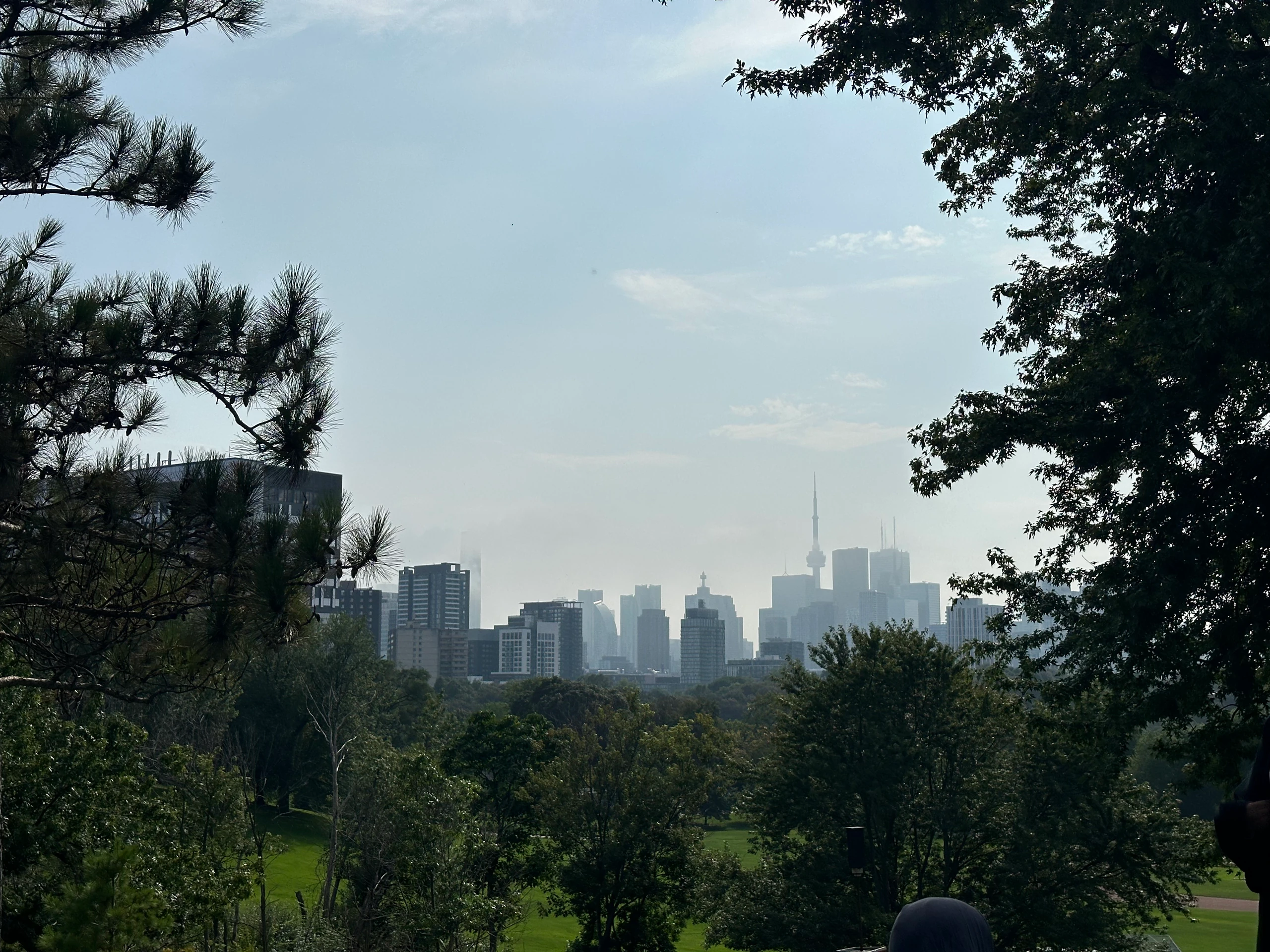
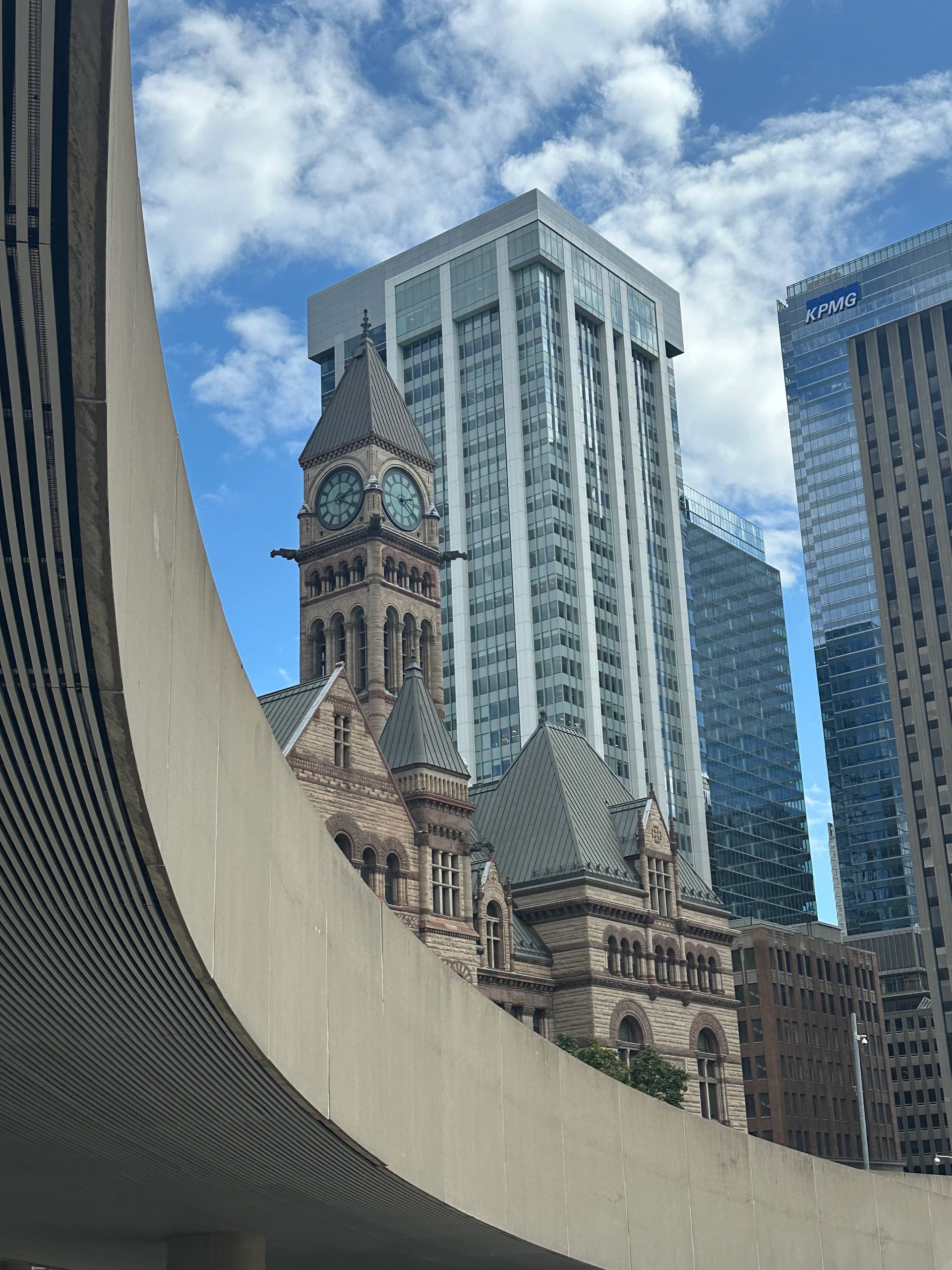
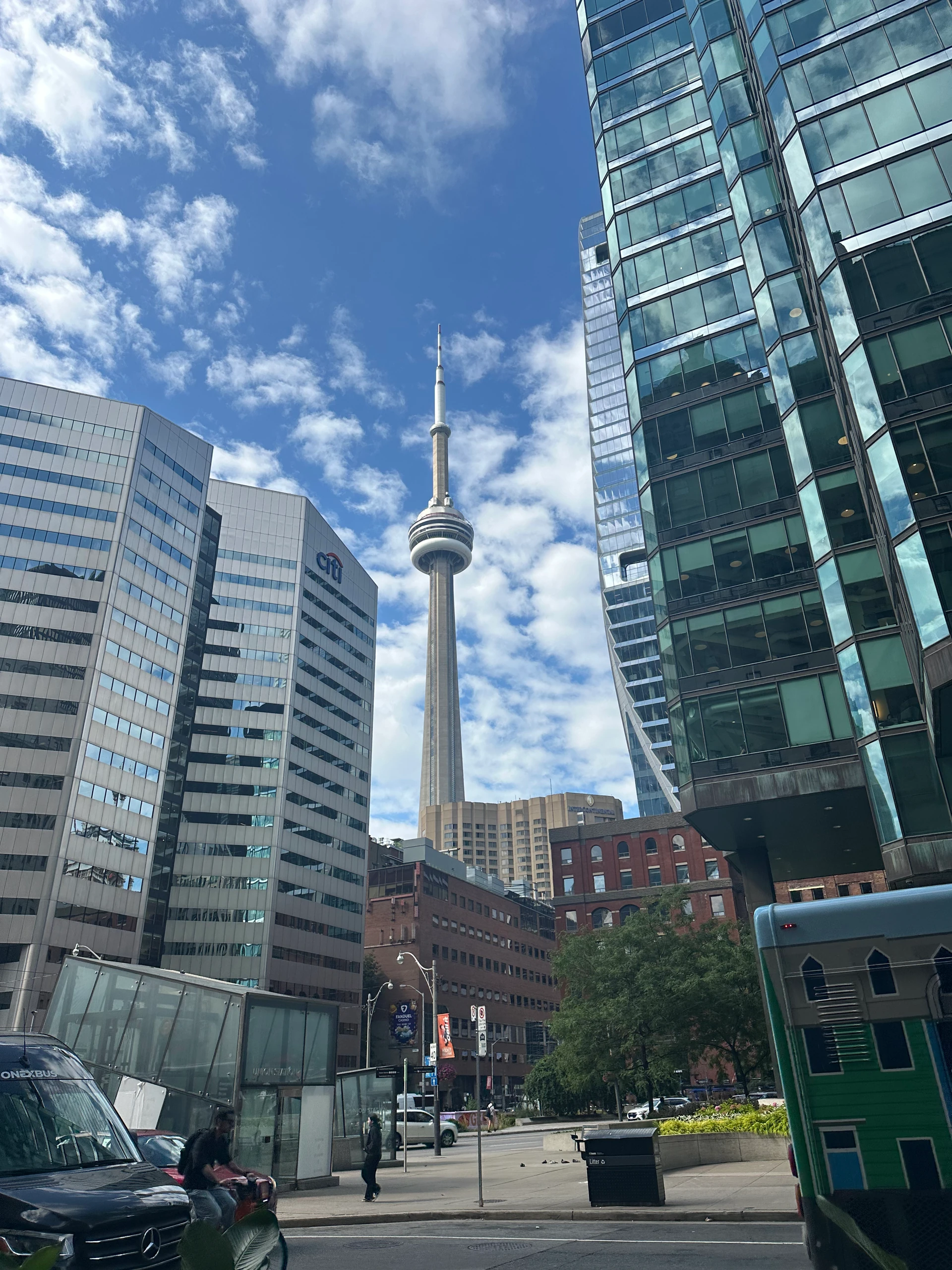
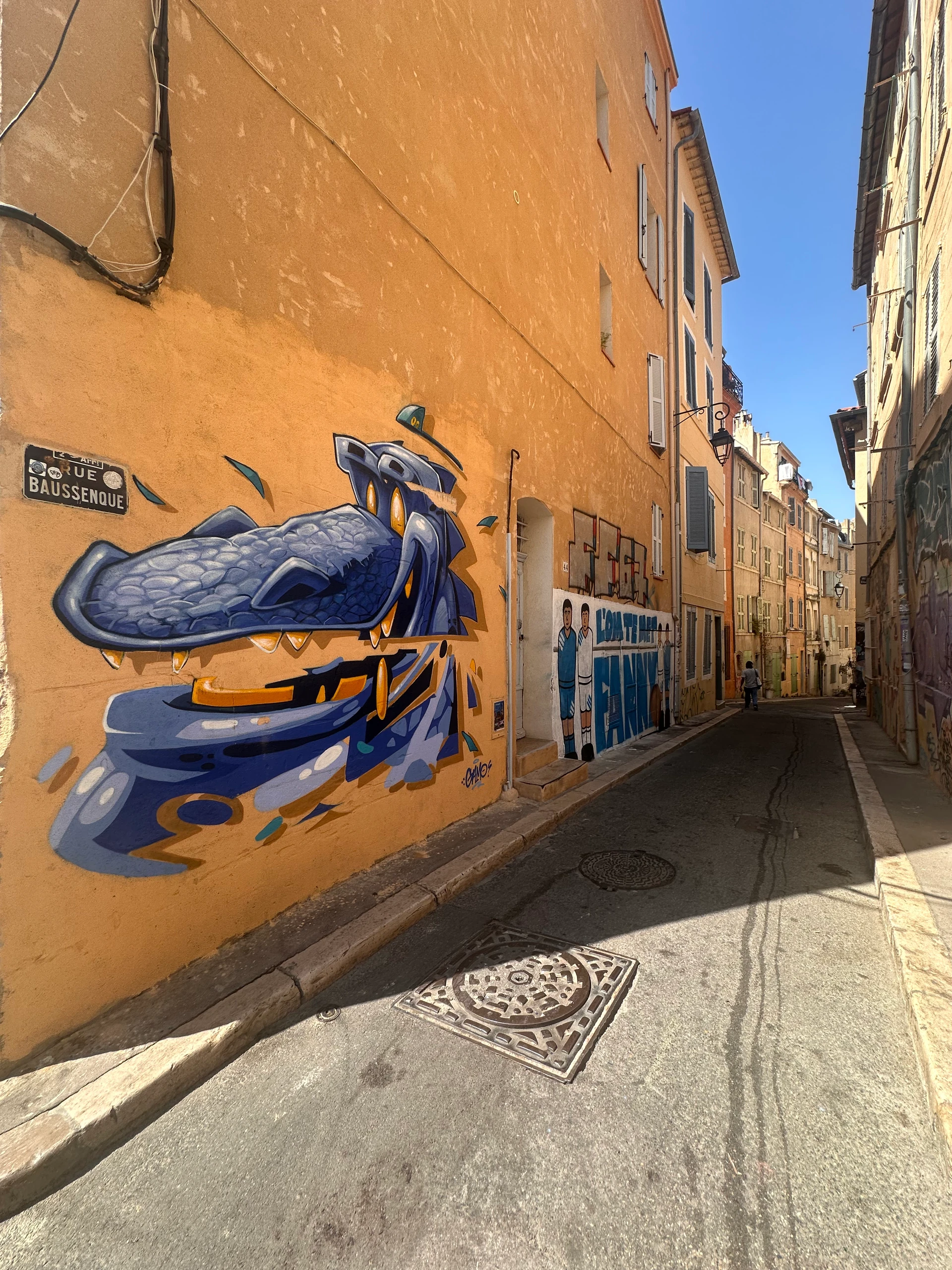
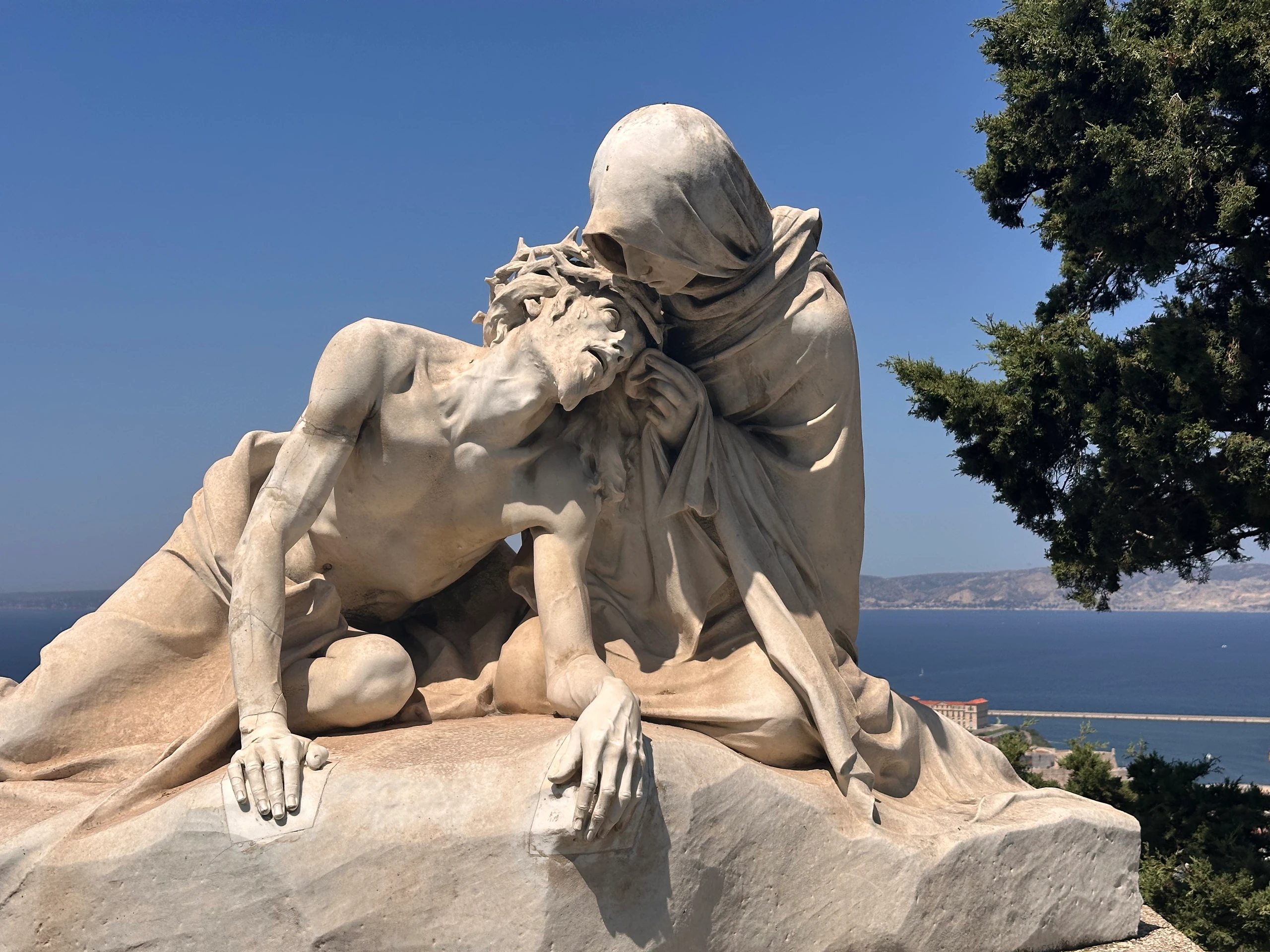
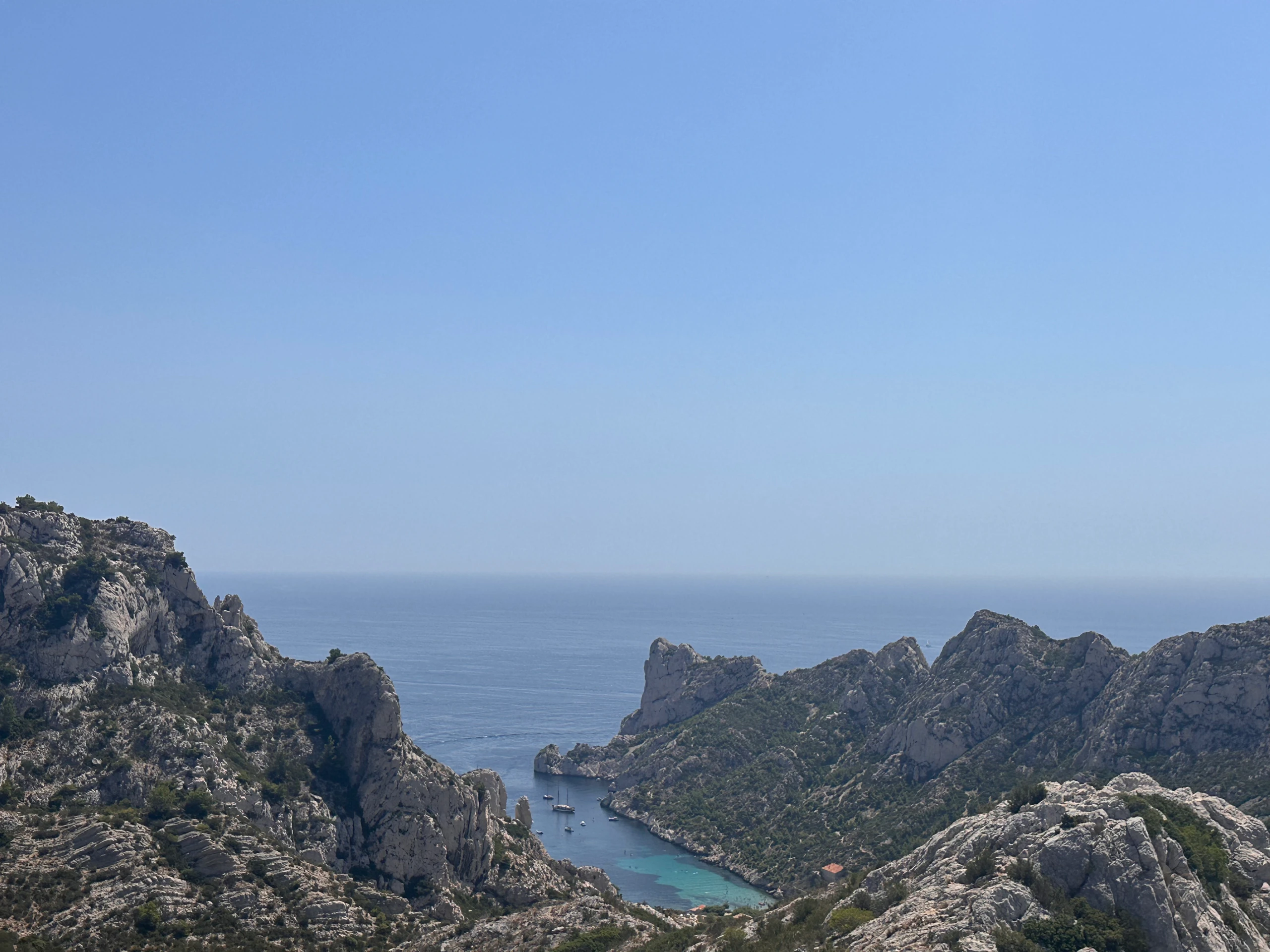
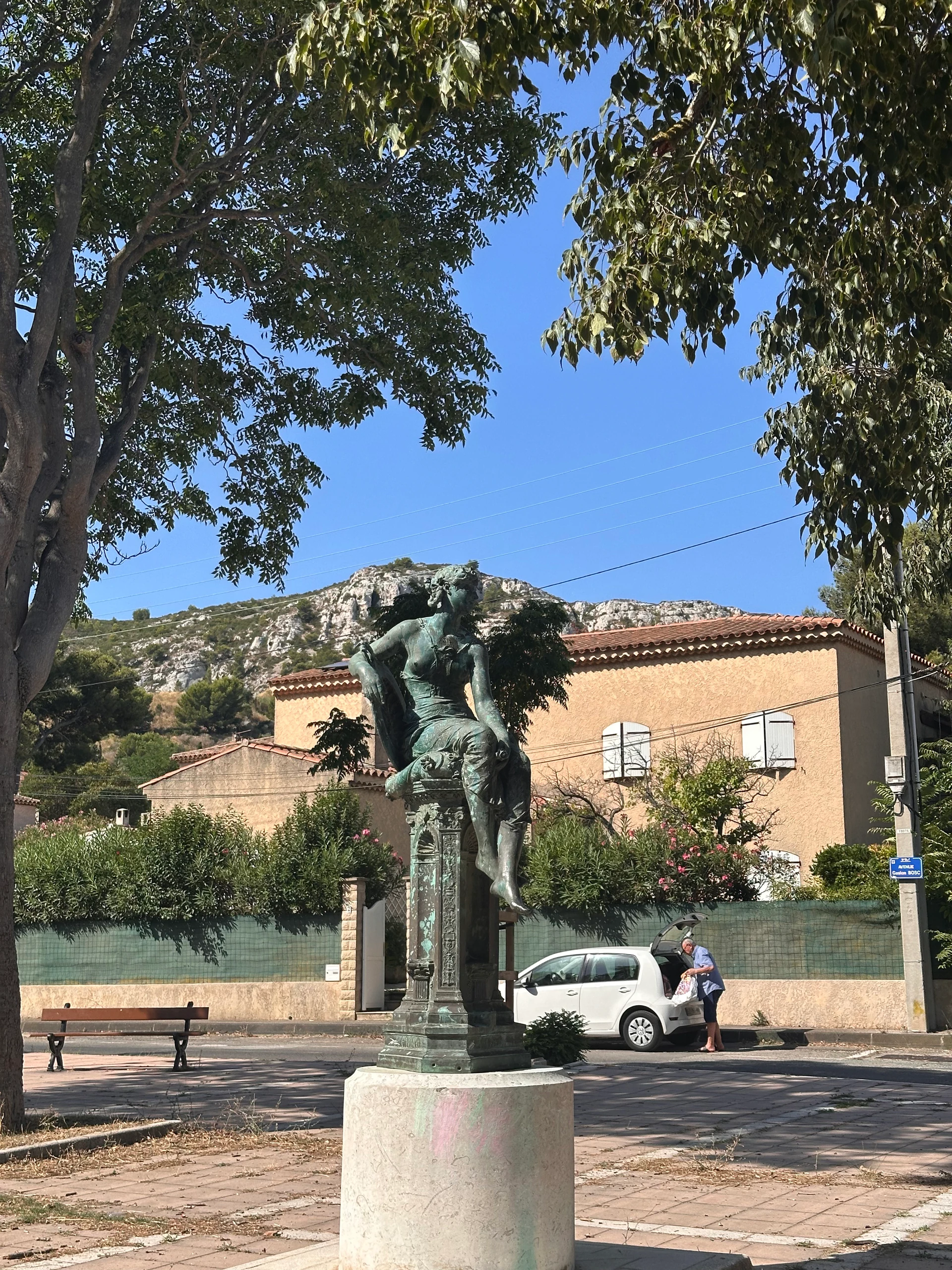
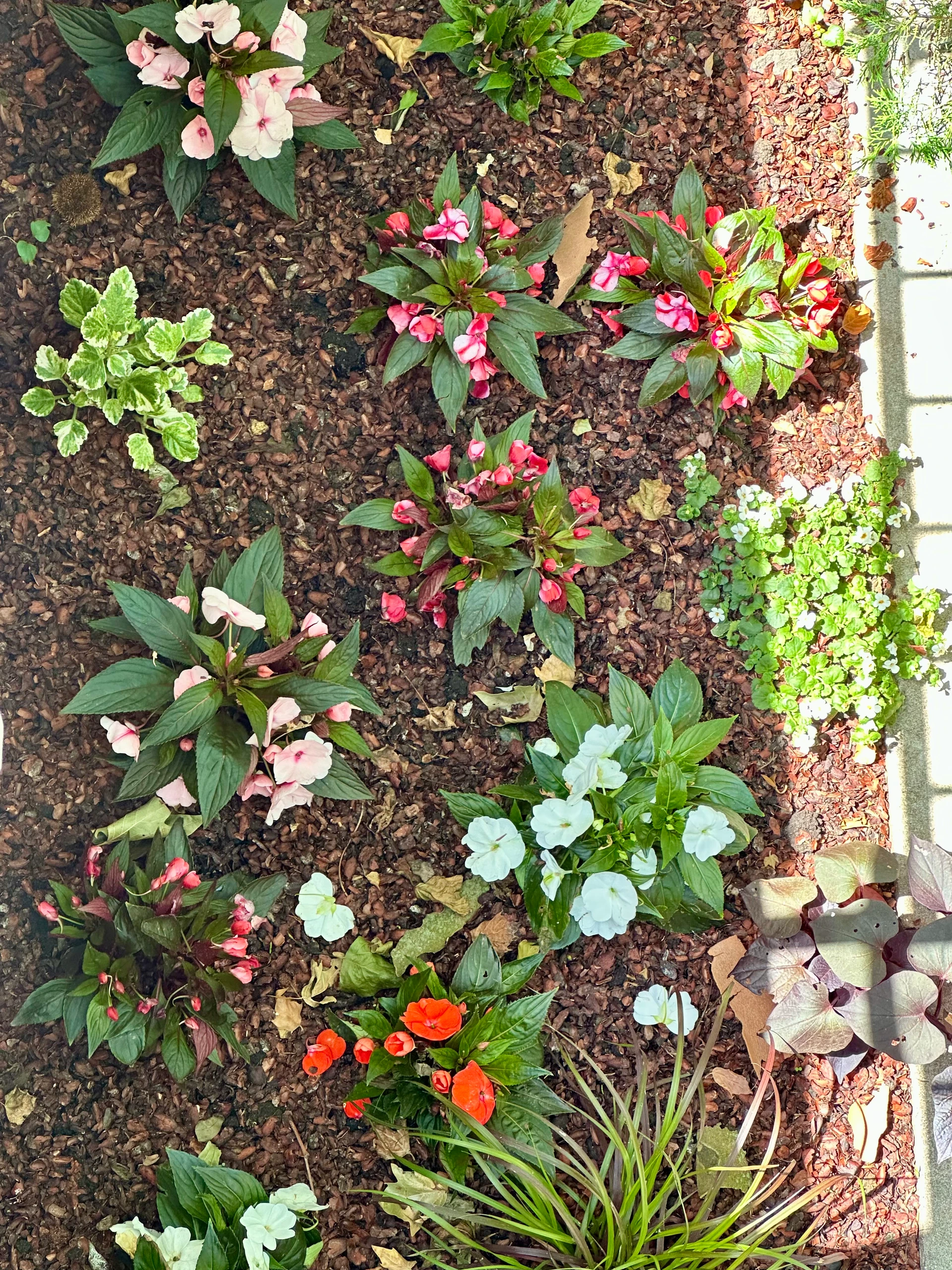
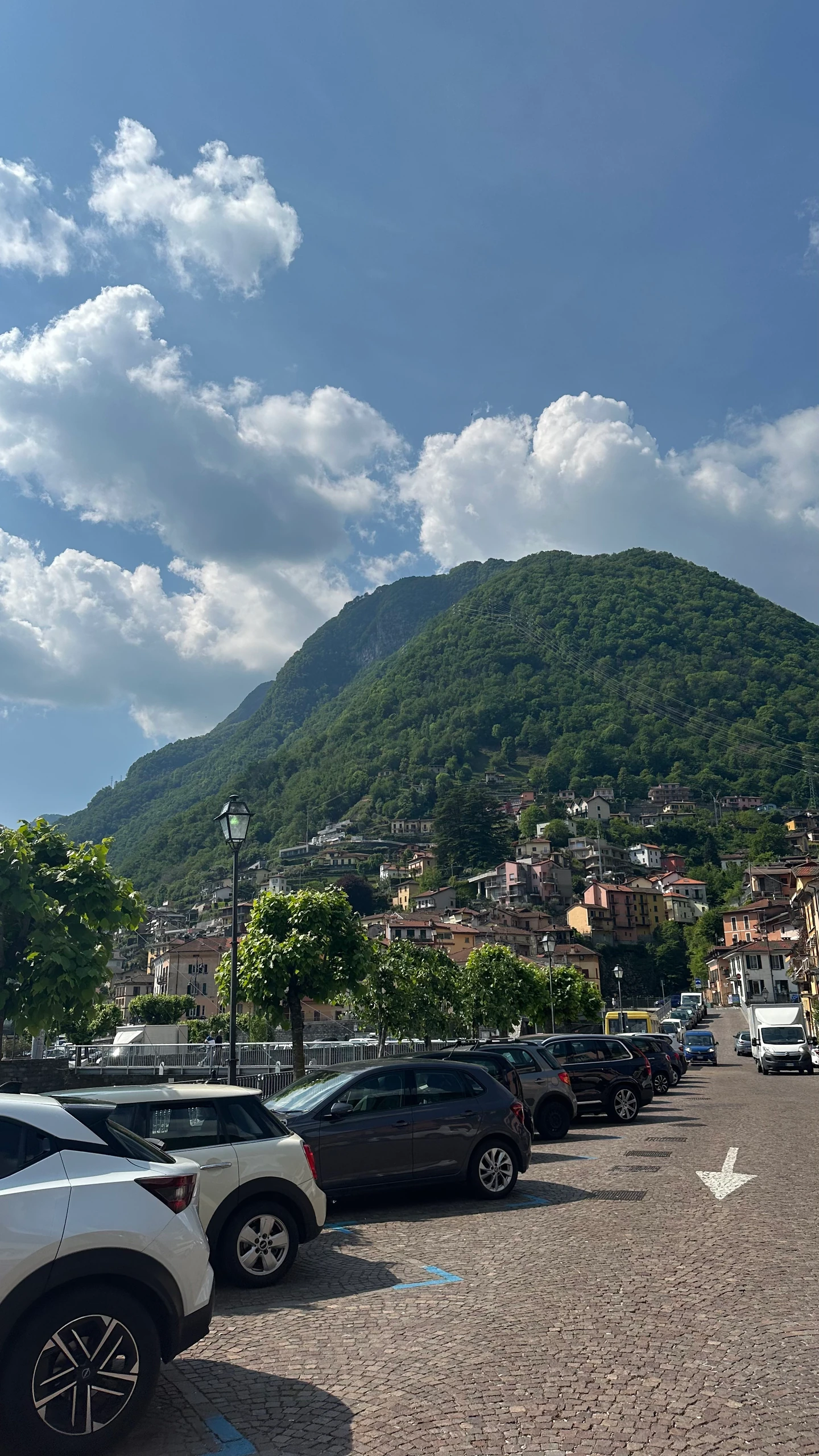
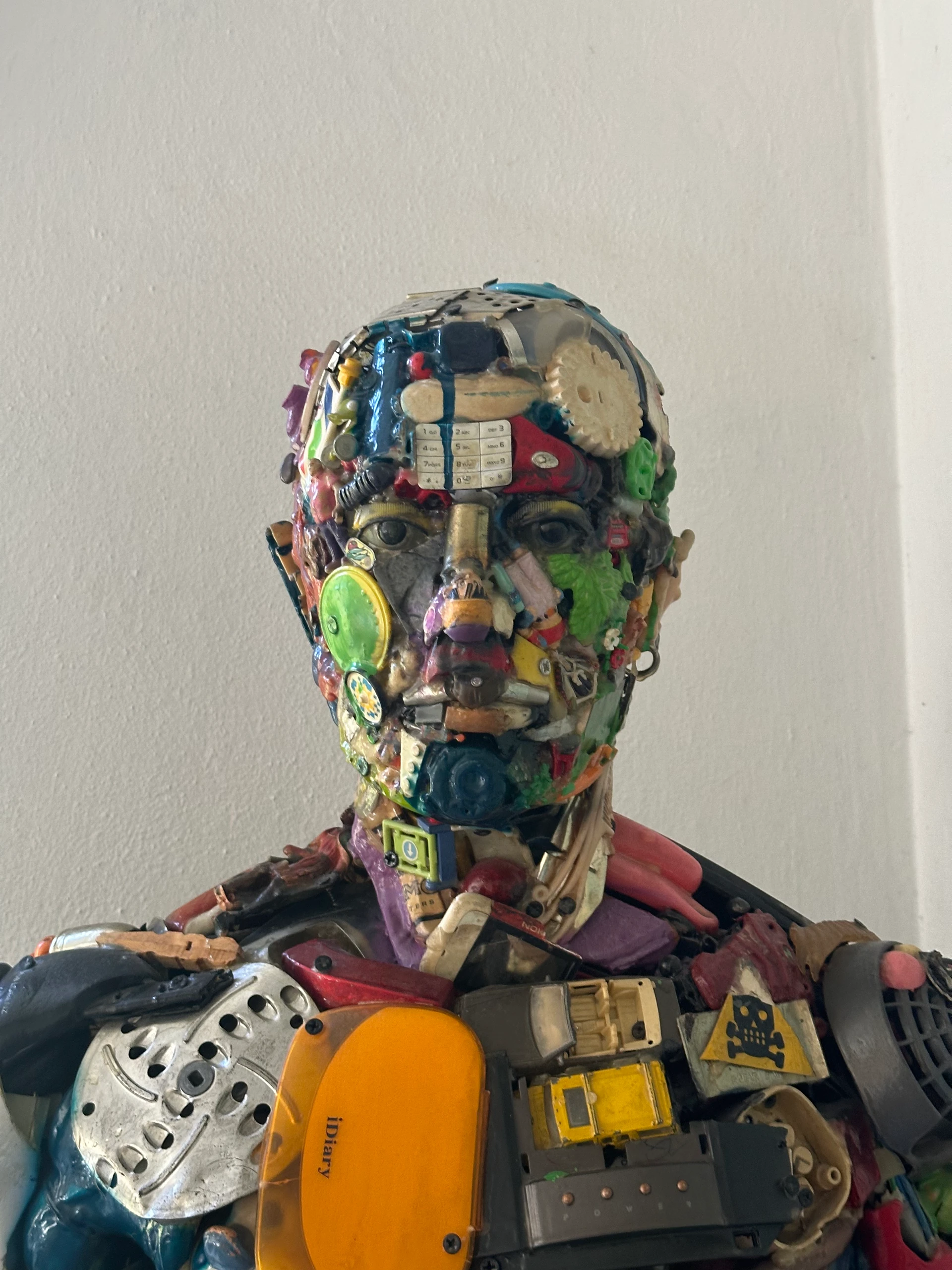
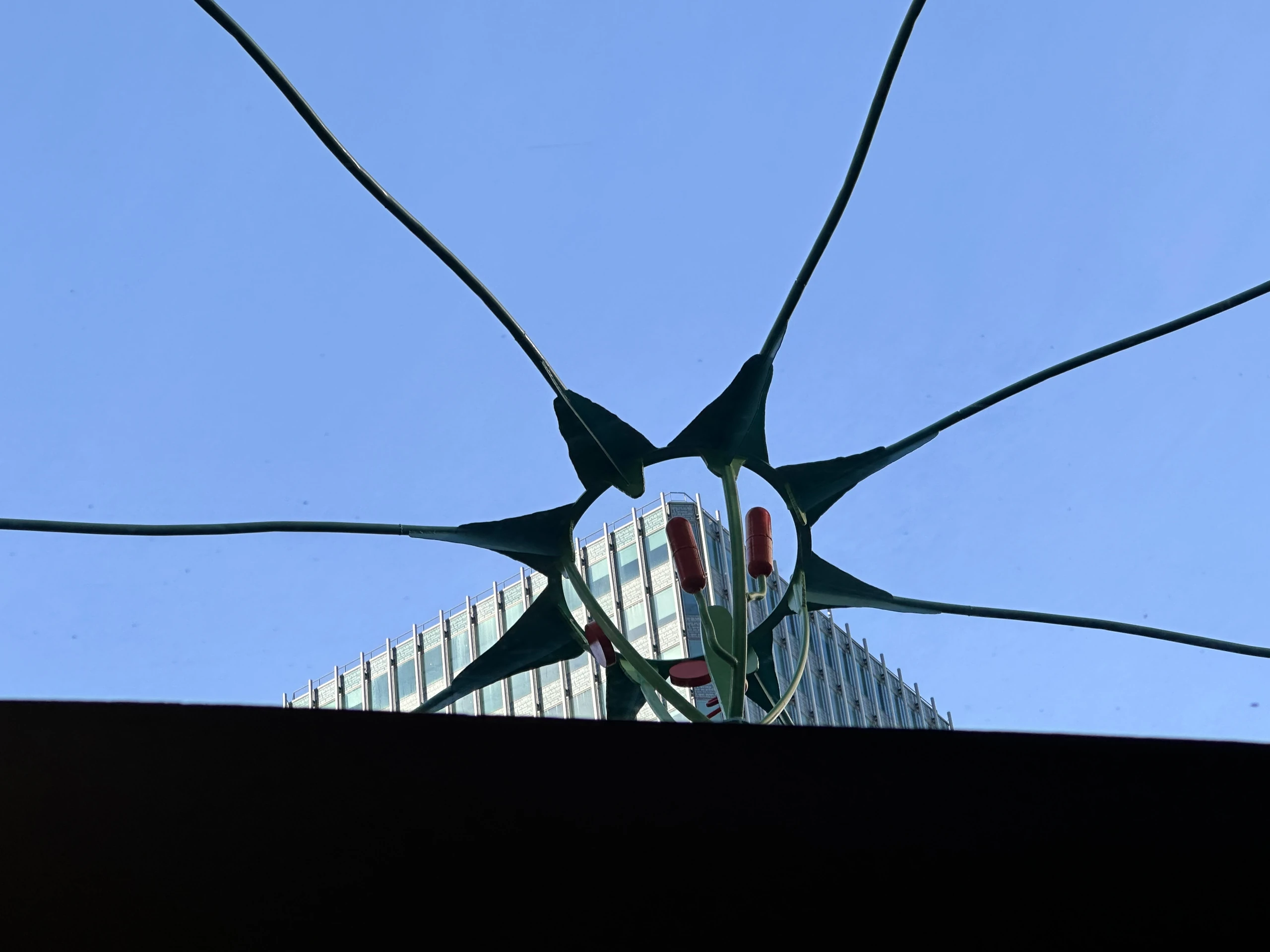
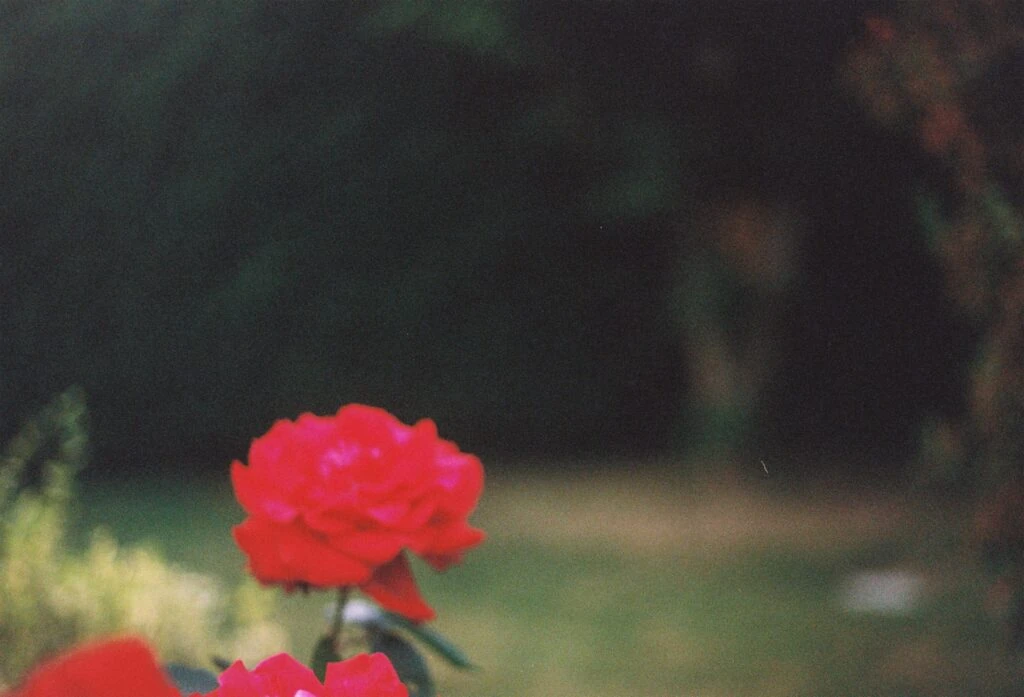
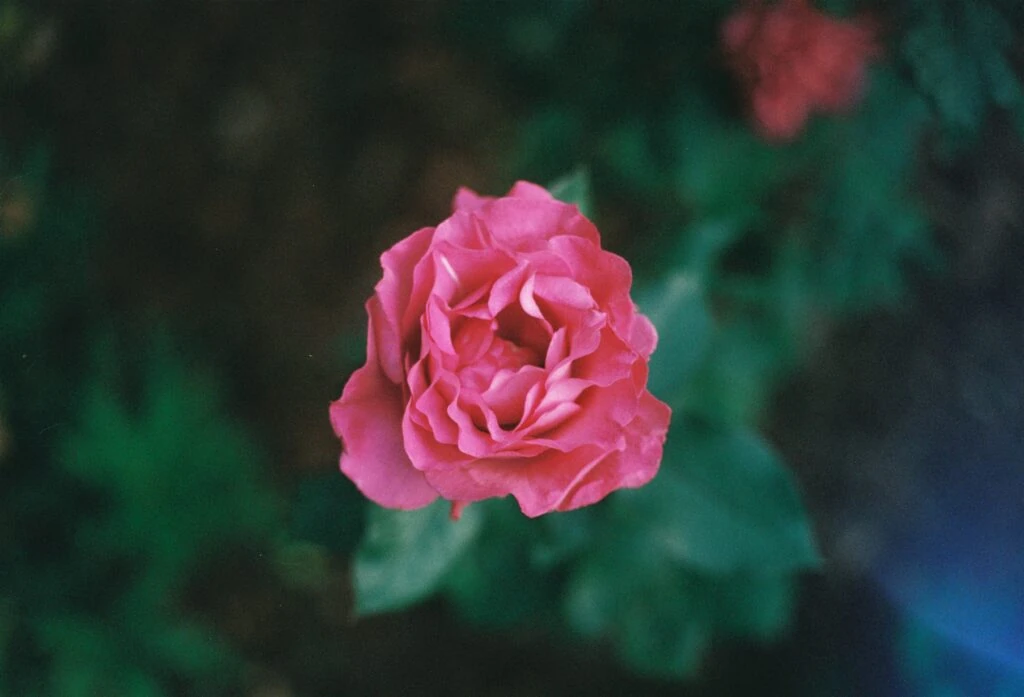
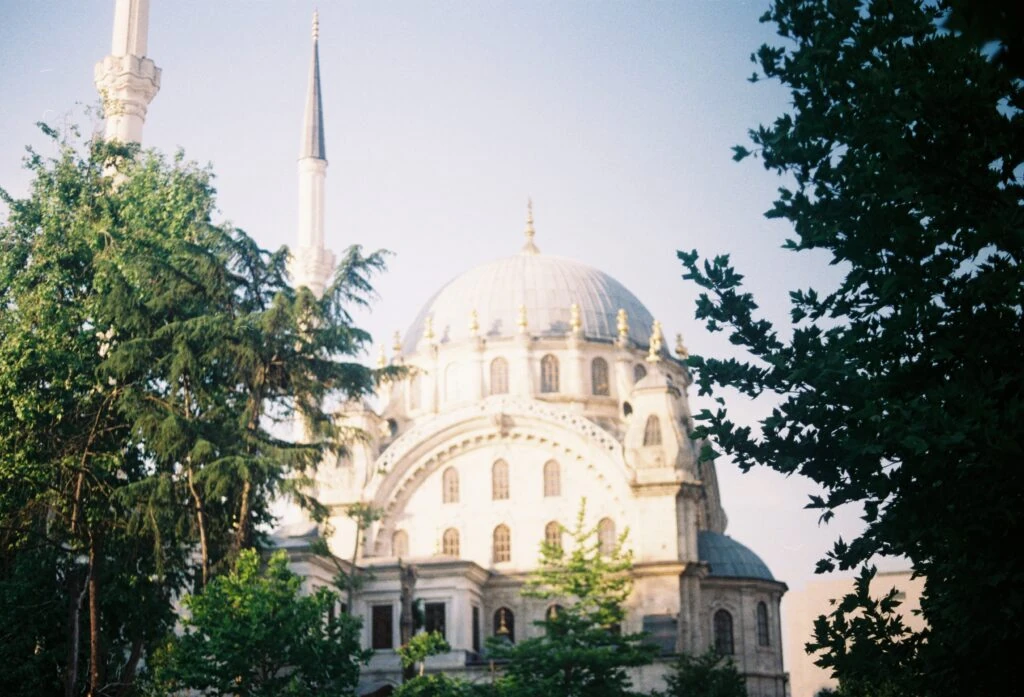
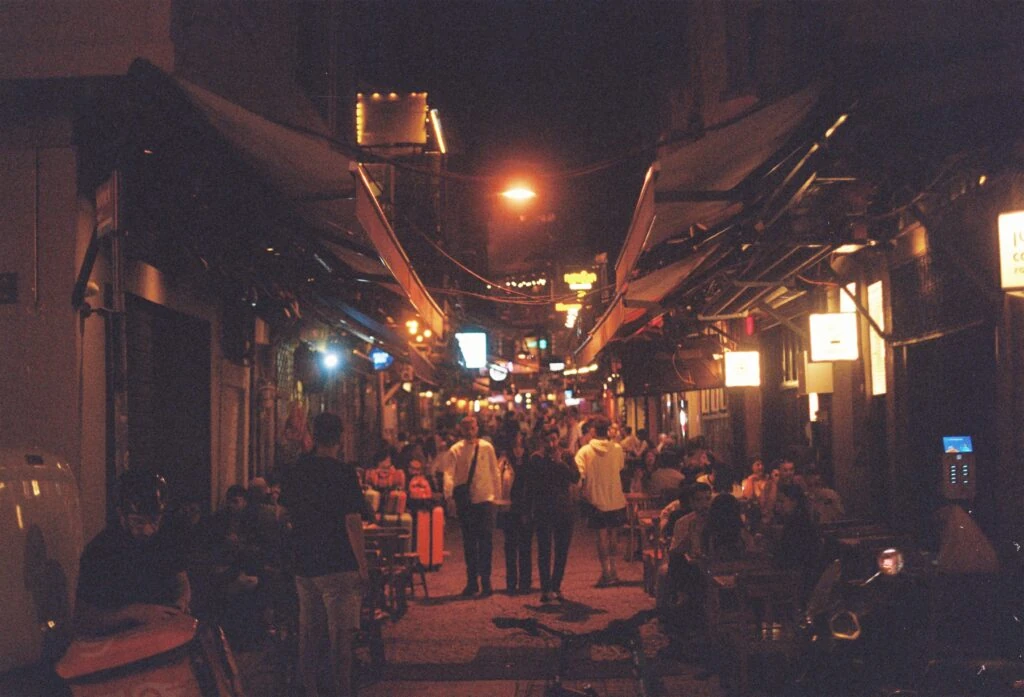
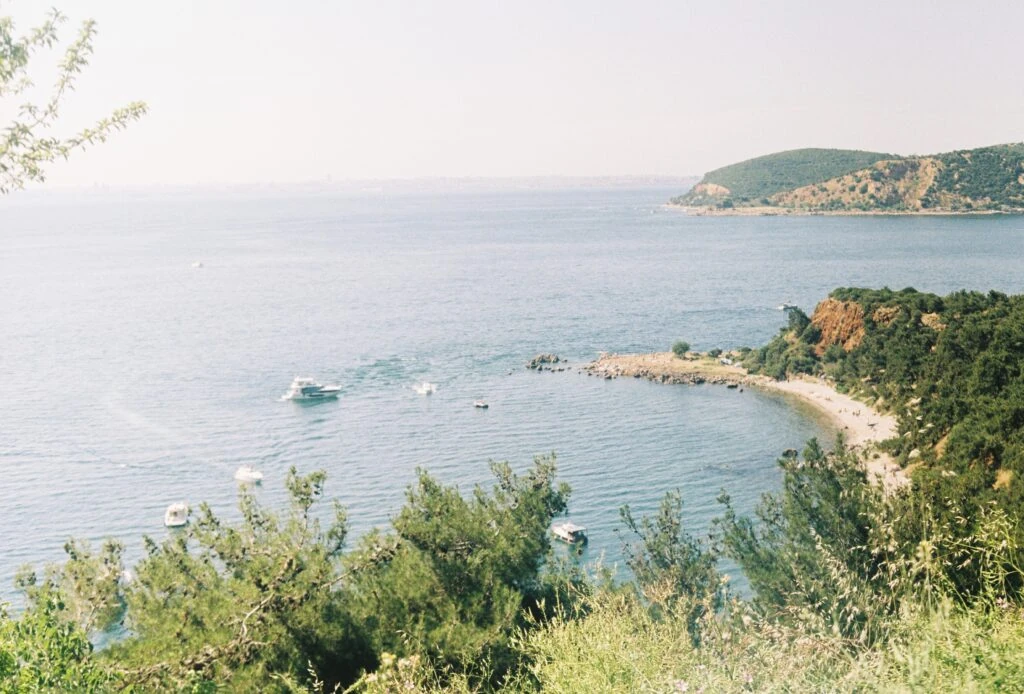
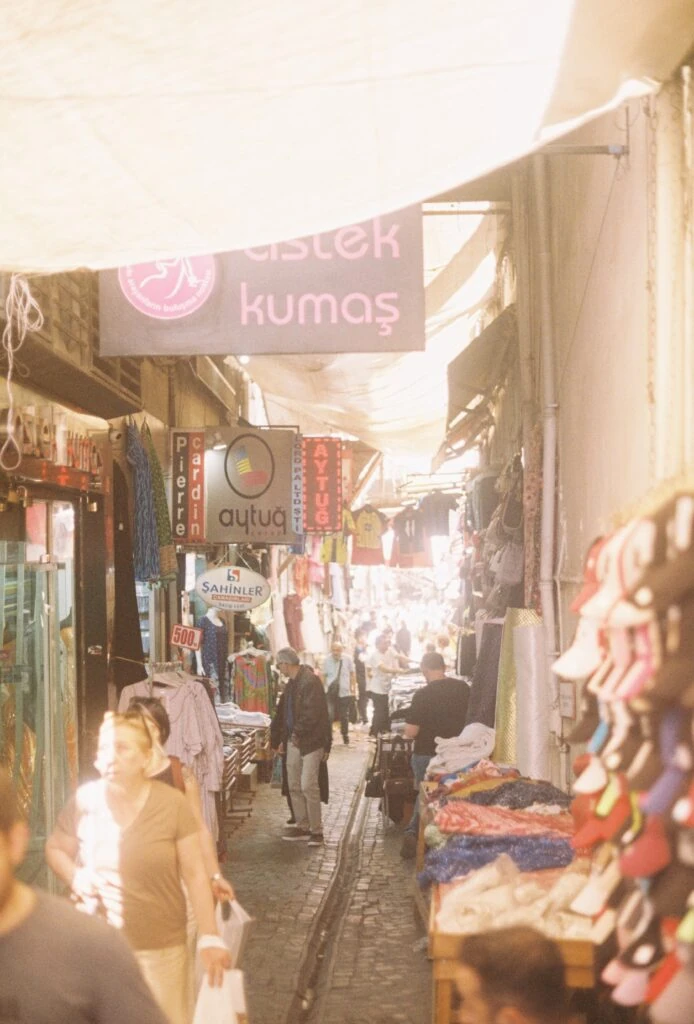
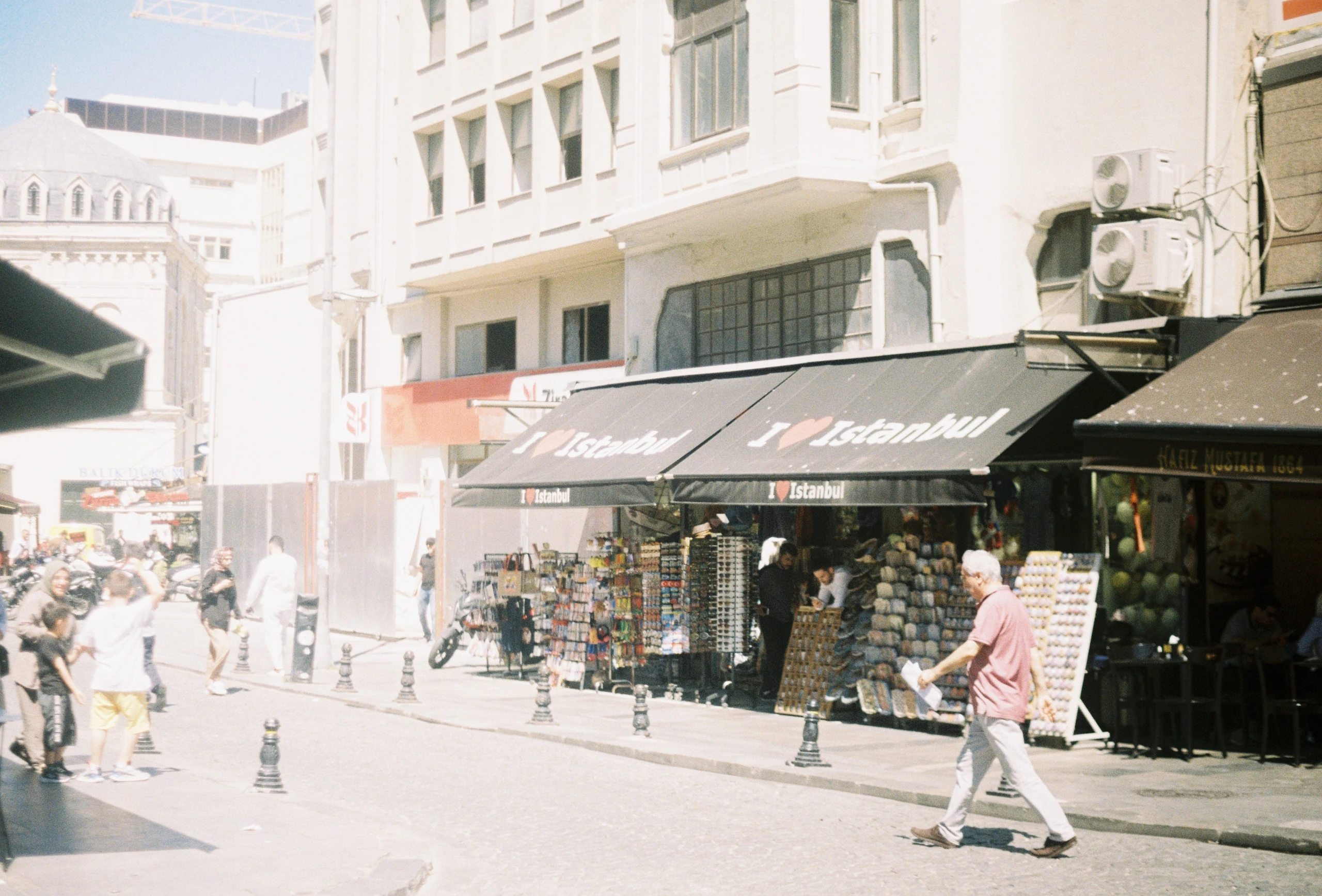
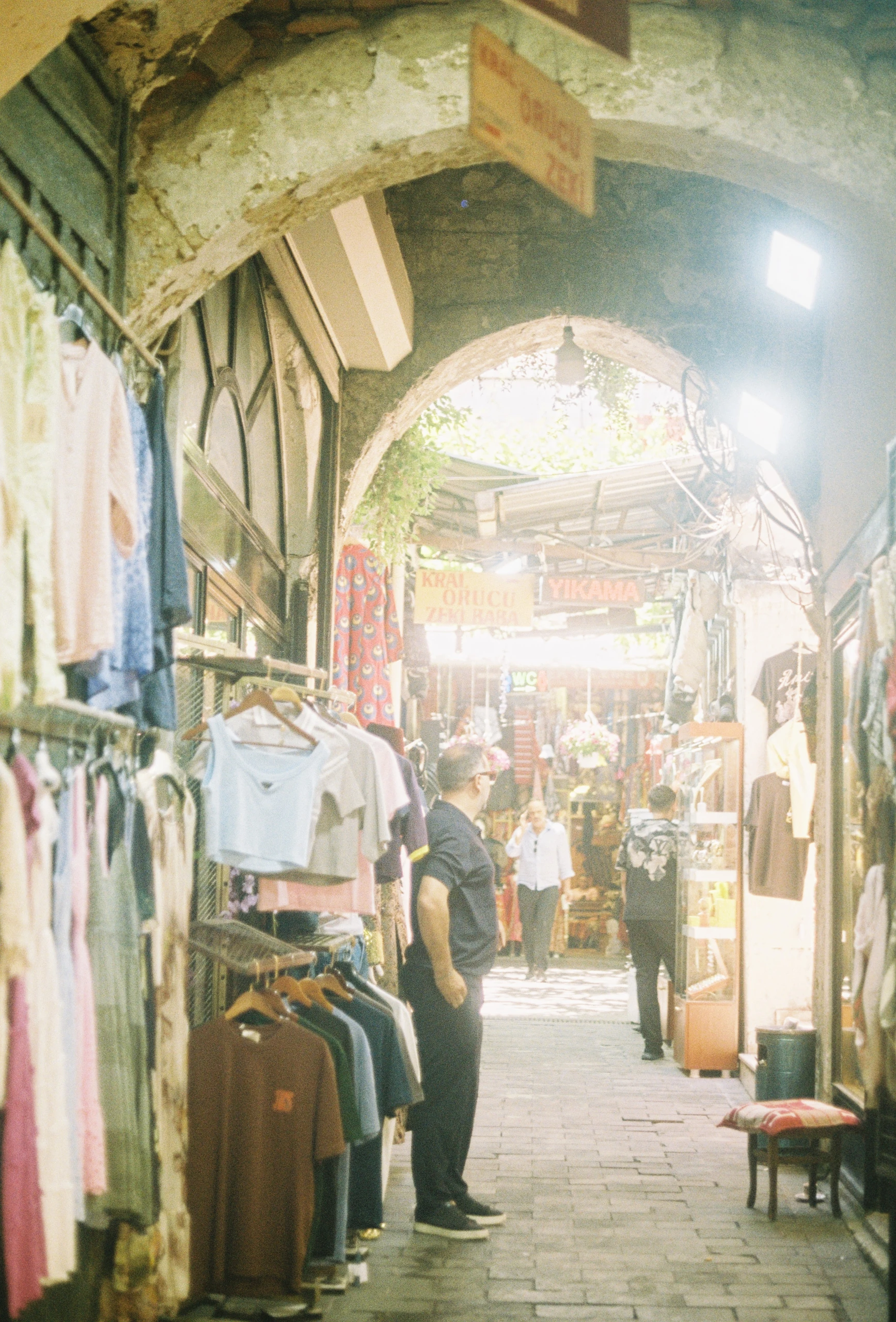
Here is a collection of photos I have taken around the world. I have been passionate about photography since childhood. While my early attempts weren’t the best, the rapid improvement in smartphone camera technology inspired me to invest in a high-quality phone to capture better images. Recently, I also purchased a film camera for my travels. I take countless photos, and I’ve curated the very best of them here to share my vision of the world.
iPhone 14 Pro
Toronto, CanadaNiagara GorgeToronto, CanadaToronto, CanadaToronto, CanadaToronto, CanadaToronto, CanadaToronto, CanadaMarseille, FranceMarseille, FranceCalanques of Marseille, FranceMarseille, FranceParis, FranceArgegno, Lake Como, ItalyMilan, ItalyParis, France
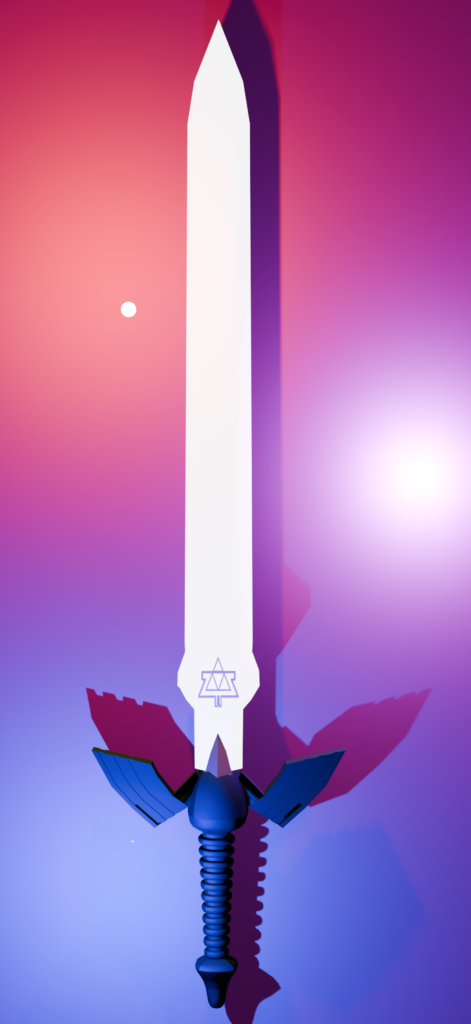
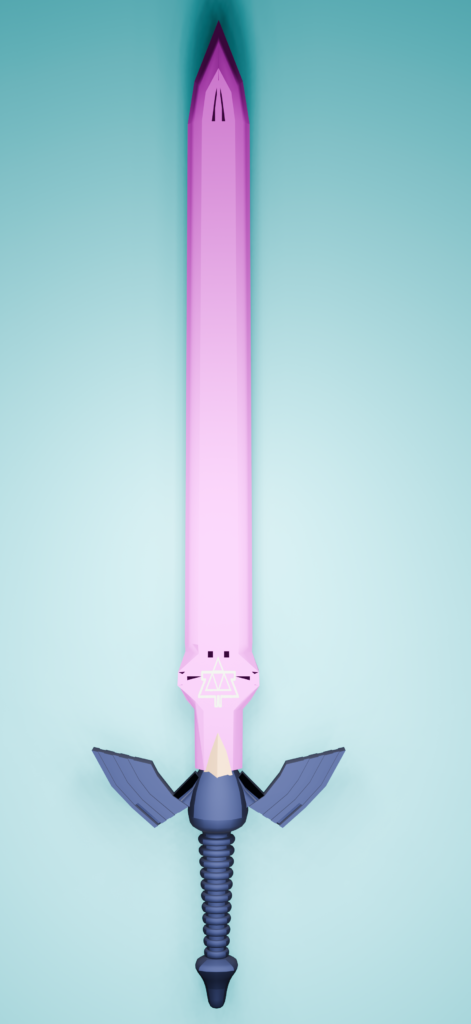
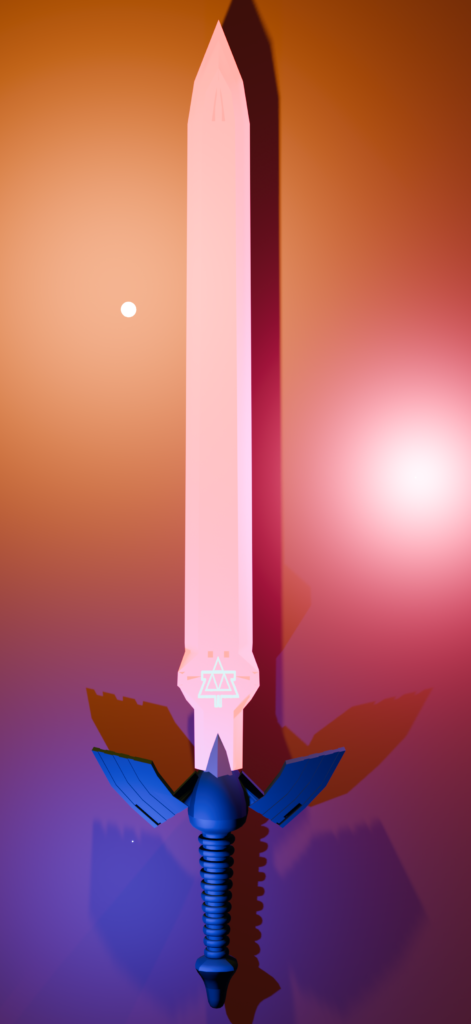
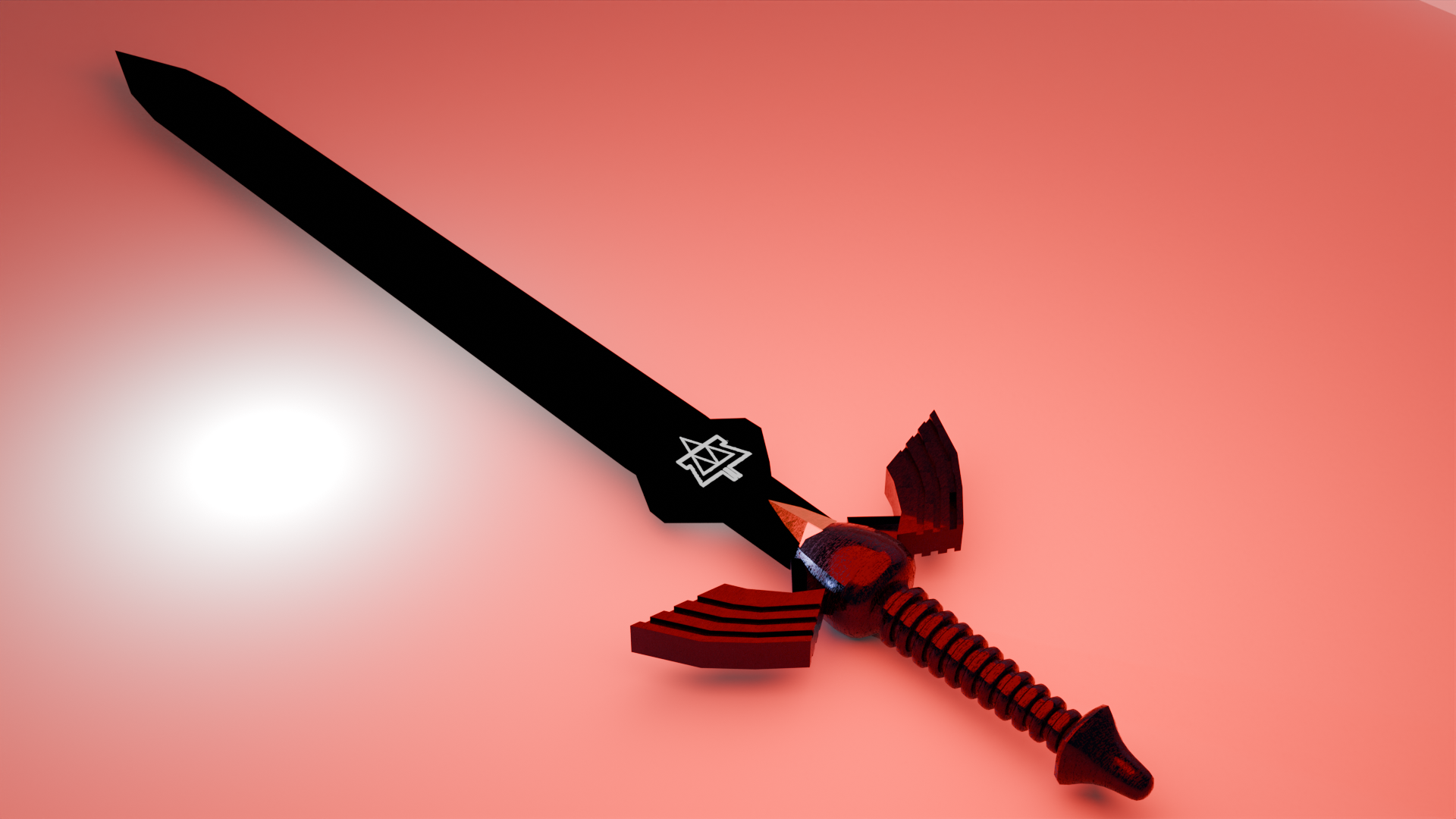
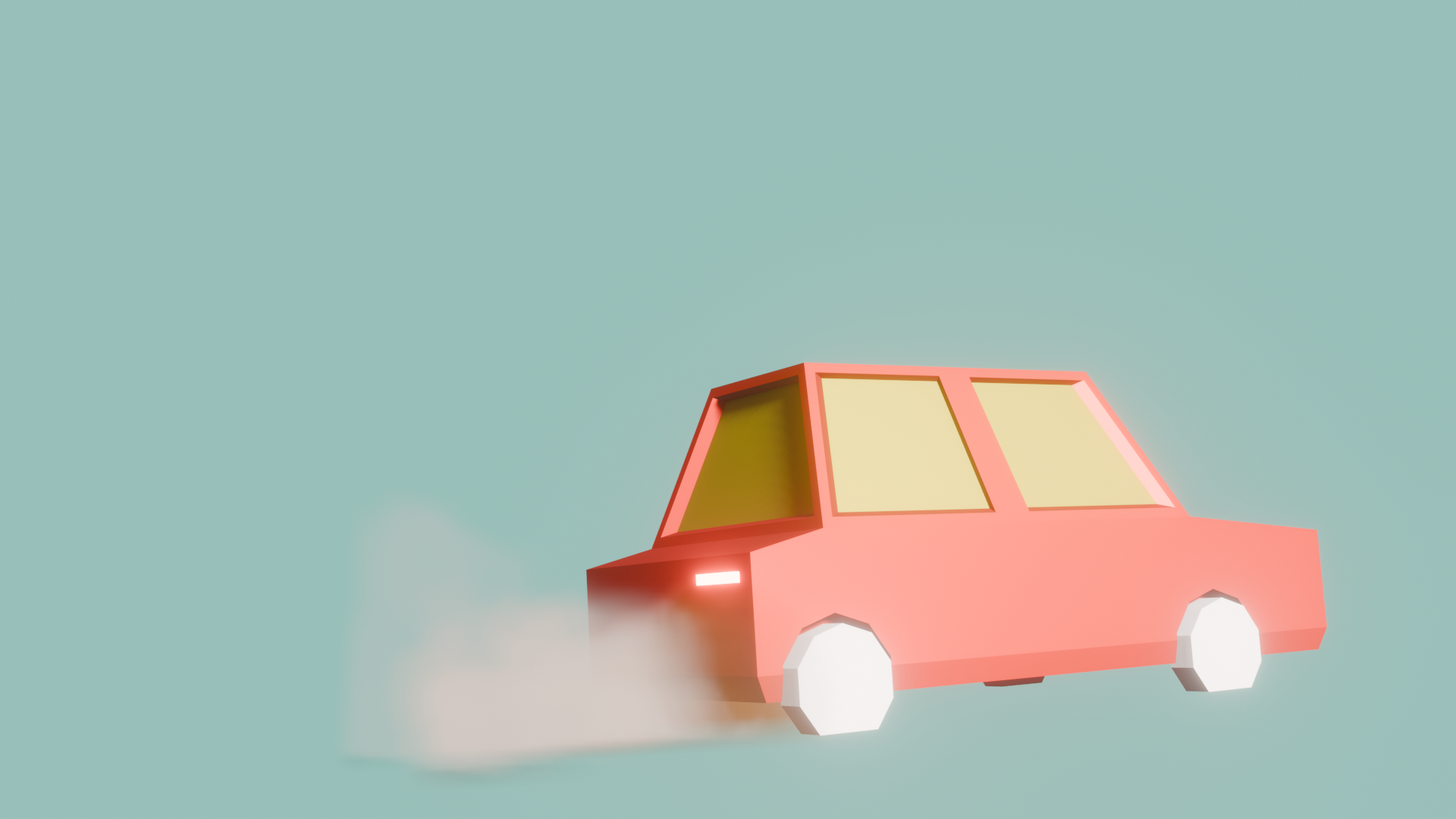
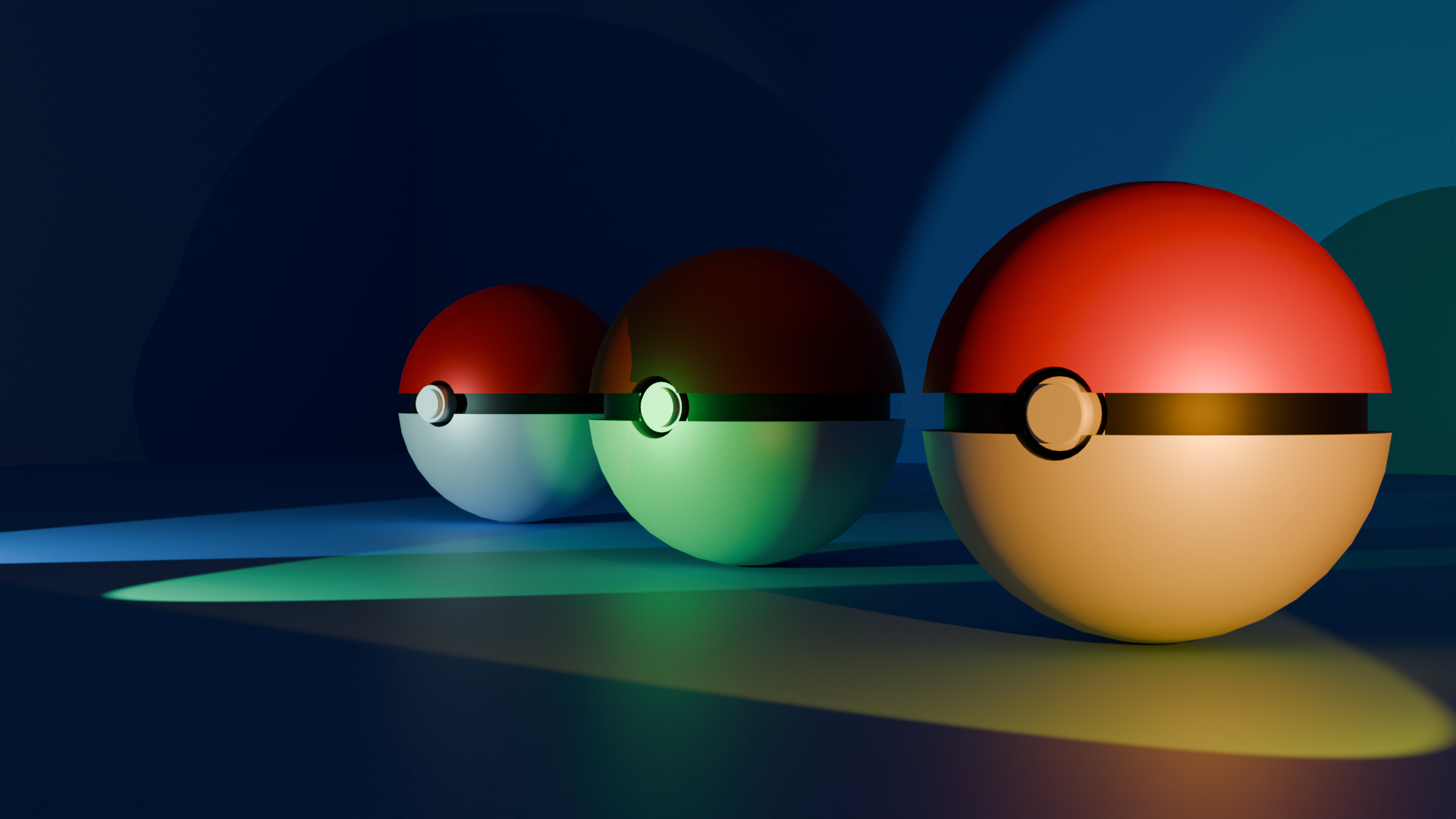
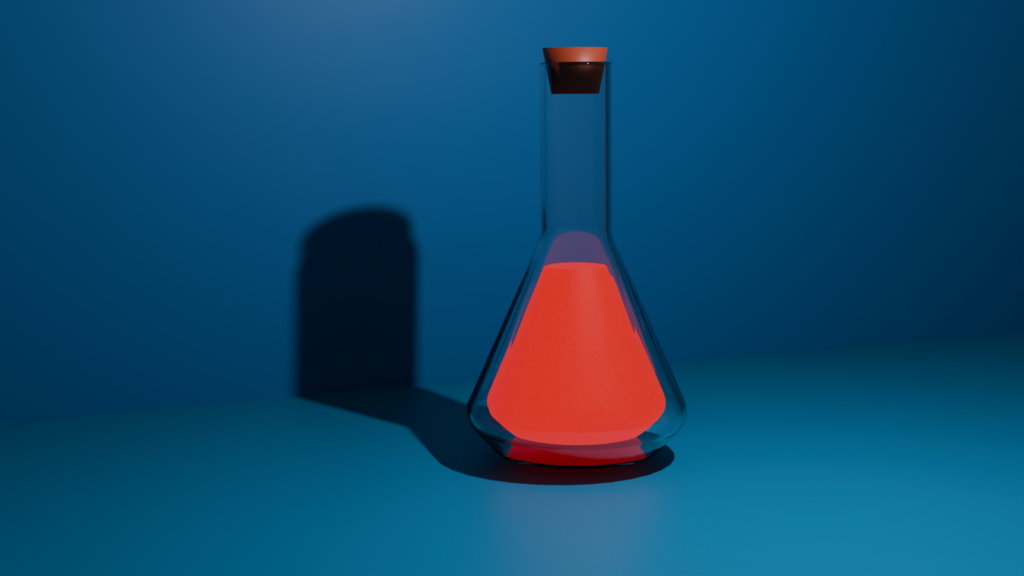
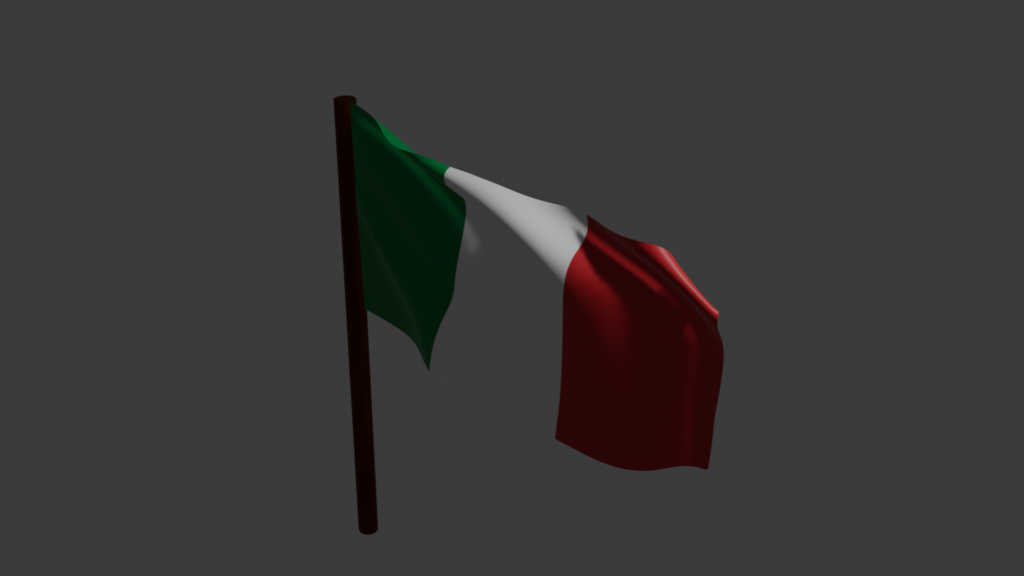
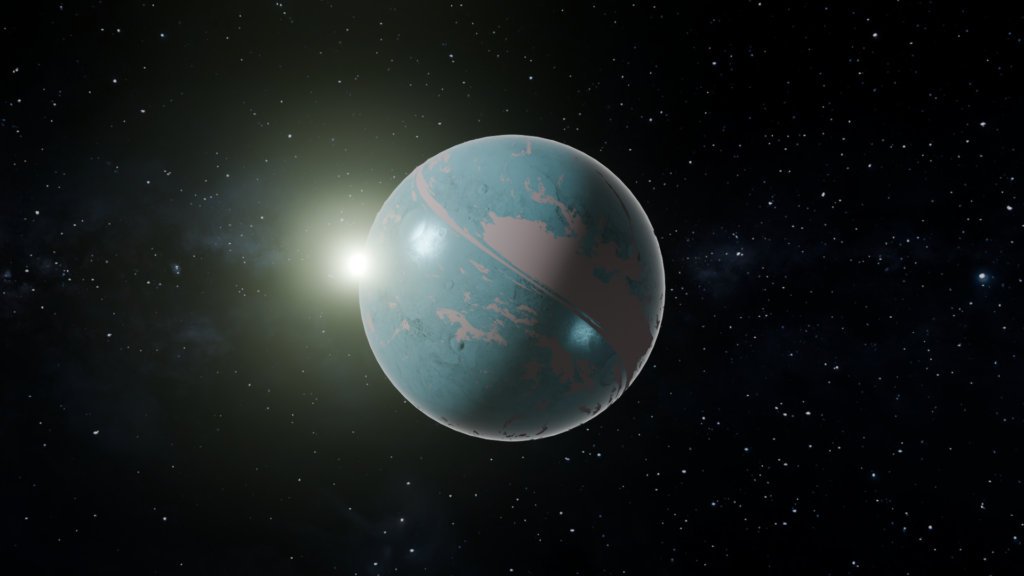
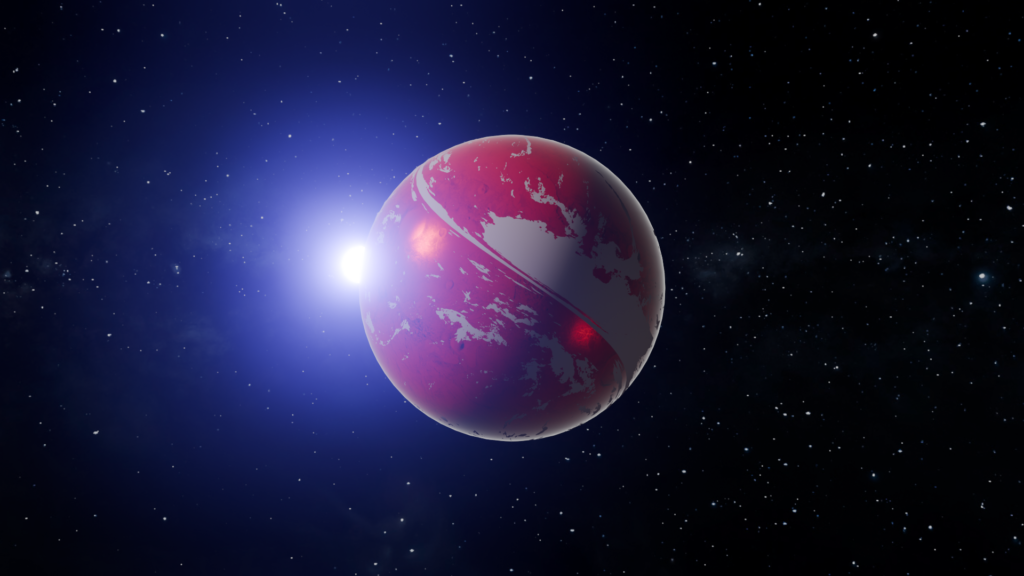
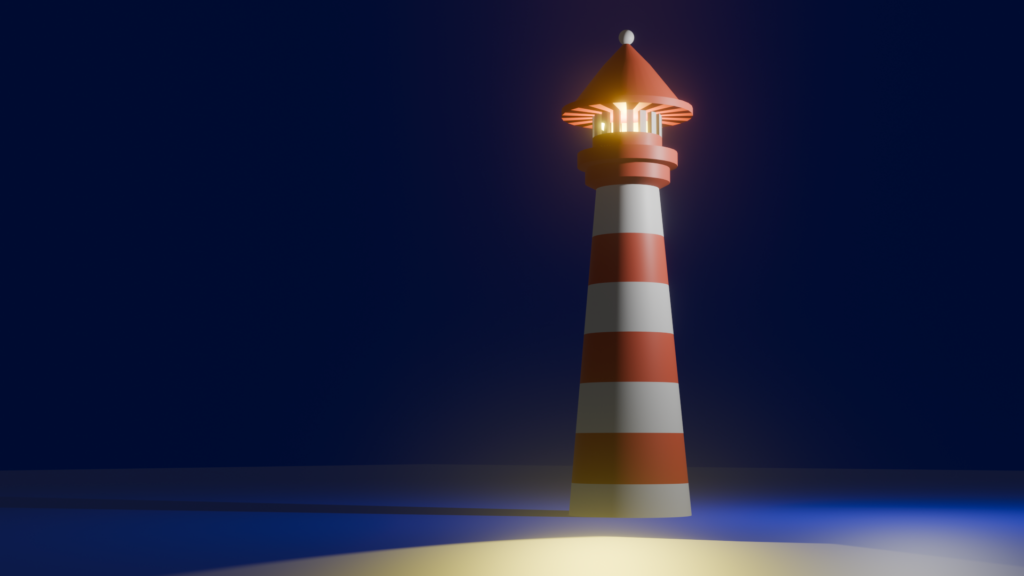
Welcome to my portfolio! Here is some of my recent work featuring various Blender objects that I’ve created. I am currently a beginner with about 20 hours of practice, but I am learning Blender to better visualize assets in 3D and eventually use them in my interactive applications.
Why I started creating Blender objects Modeling 3D assets helps me gain a deeper understanding of different shapes and the complete 3D modeling workflow. After watching a few official tutorials on YouTube, I started making my first basic Blender objects. I also want to understanding the topology, how light interacts with materials, and the mechanics of vertices and faces has been a game-changer for my development skills. It forces me to think spatially and understand how physical forms are constructed in a digital space. From simple shapes to complex Blender objects During these first 20 hours, I focused on everyday items to practice scaling, proportions, and basic texturing. You will see below a few examples of these creations. Each model taught me a new tool, whether it was the extrude function, the bevel modifier, or basic UV mapping. What’s next for my 3D skills? I plan to keep practicing and designing more advanced Blender objects to help my projects in engineering. My ultimate goal is to understand the full pipeline, from modeling to importing assets into game engines. Stay tuned for more updates on my 3D learning journey!
Master Sword
Other things
Planet
Lighthouse
About
I am a third-year EEA and mathematics student at Sorbonne University. My interests include embedded systems, robotics, photography and 3D modelling.
StudiesThird-year EEA and mathematics, Sorbonne University
Project 12 – InkBeat: MP3 player with an e-ink display
October 2026 · 3 min read
I am designing InkBeat, a standalone MP3 player for listening to music without relying on my phone. It combines an ESP32-S3, a custom PCB, an e-ink display and a headphone output in a portable device.
Project status: design in progress. I am currently modeling the player in Onshape. The electronics build and testing remain on hold while I finalize the e-ink display choice and secure the necessary budget.
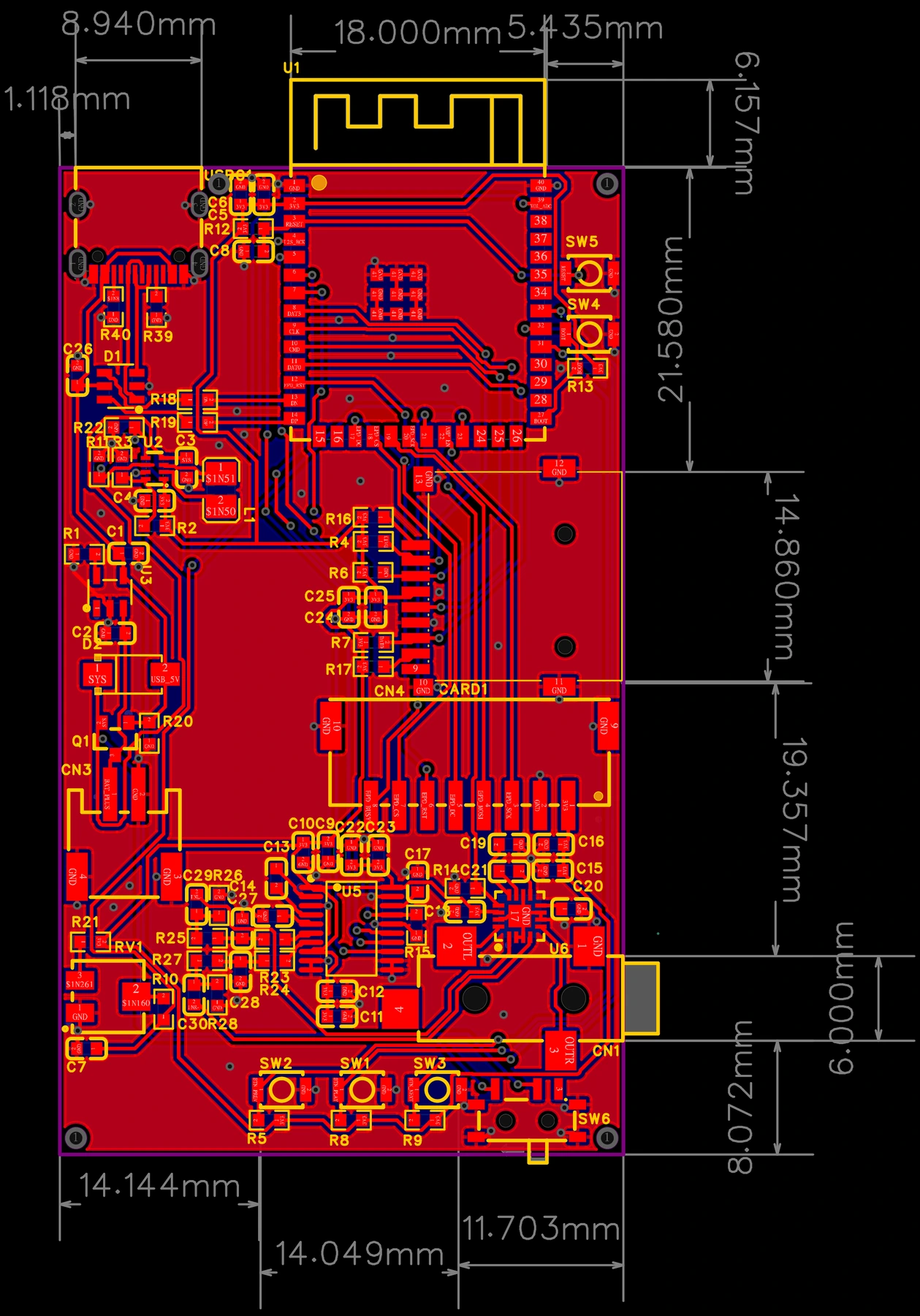
InkBeat PCB design: controller, power supply and player connectors.
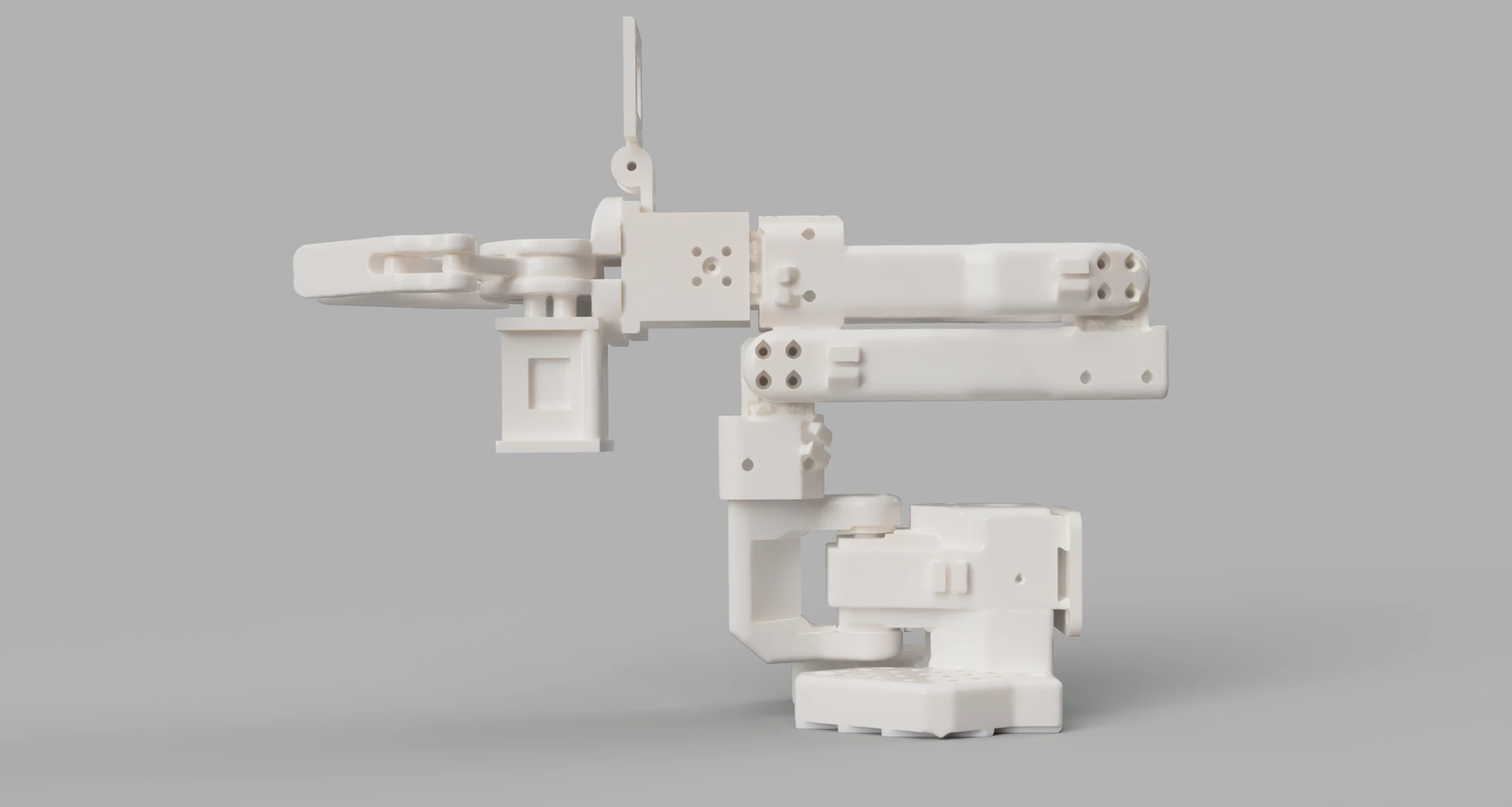
Modeling in Onshape
Alongside the electronics design, I am continuing to model the MP3 player in Onshape to prepare its mechanical integration.
A player focused on music
Tracks will be stored on a microSD card. Three physical buttons will provide previous-track, play/pause and next-track controls. A potentiometer will adjust the volume.
The e-ink display will show track information and album artwork. This type of screen retains its image without power, allowing the last album cover to remain visible after the player is switched off.
From microSD to headphones
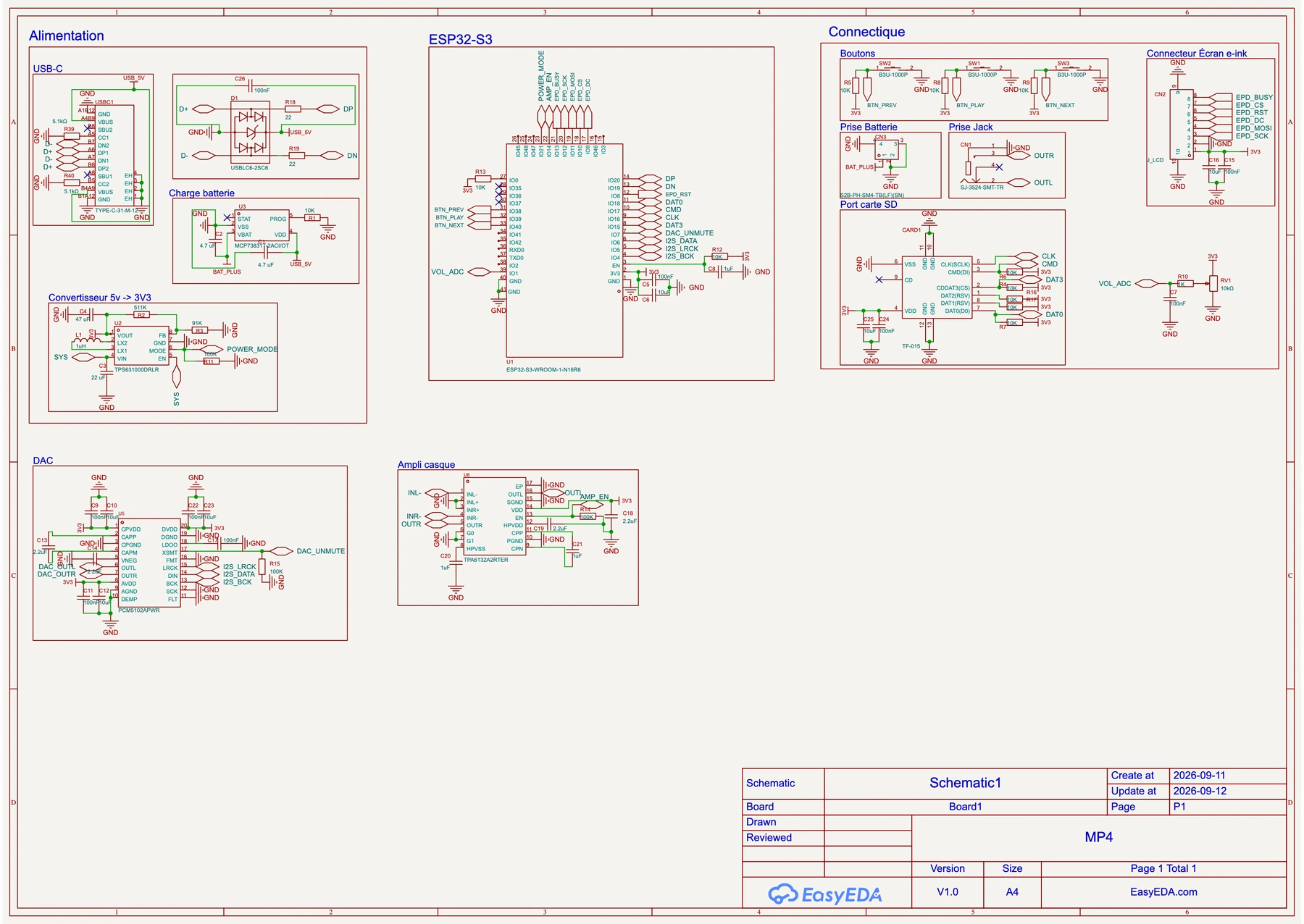
The ESP32-S3-WROOM-1 is the main controller. It will handle audio files, playback, physical controls and display updates.
PCM5102A: an external digital-to-analog converter connected to the ESP32-S3 through I²S.
TPA6132A2: a stereo headphone amplifier.
MicroSD: local storage for the music library.
Bluetooth Low Energy: planned wireless communication for the player.
Power and charging
The board includes a USB-C input, a battery connector and an MCP73831 charging circuit for a single Li-ion or LiPo cell. A converter is designed to provide a regulated 3.3 V supply. Battery specifications have yet to be finalized.
Electrical schematic: power, ESP32-S3, audio output, storage and controls.
Next steps
The next goal is to finalize the display and battery choices, then integrate and test audio playback, display updates and power management. The features described here represent the planned architecture.